Quick answer: Organic bakeries need certified organic ingredients to keep their own organic status. Organic coconut sugar can replace white or brown sugar 1:1 by weight in most recipes. Choose mesh 50 for doughs and batters and mesh 14 for toppings, store it separately from non-organic ingredients and keep certificates and invoices ready for audits.
Key takeaways – Organic bakeries must use certified ingredients. – Swap 1:1 by weight for white or brown sugar. – Separate storage and records are essential. – Keep supplier documents for audits.
Why organic coconut sugar suits organic bakeries
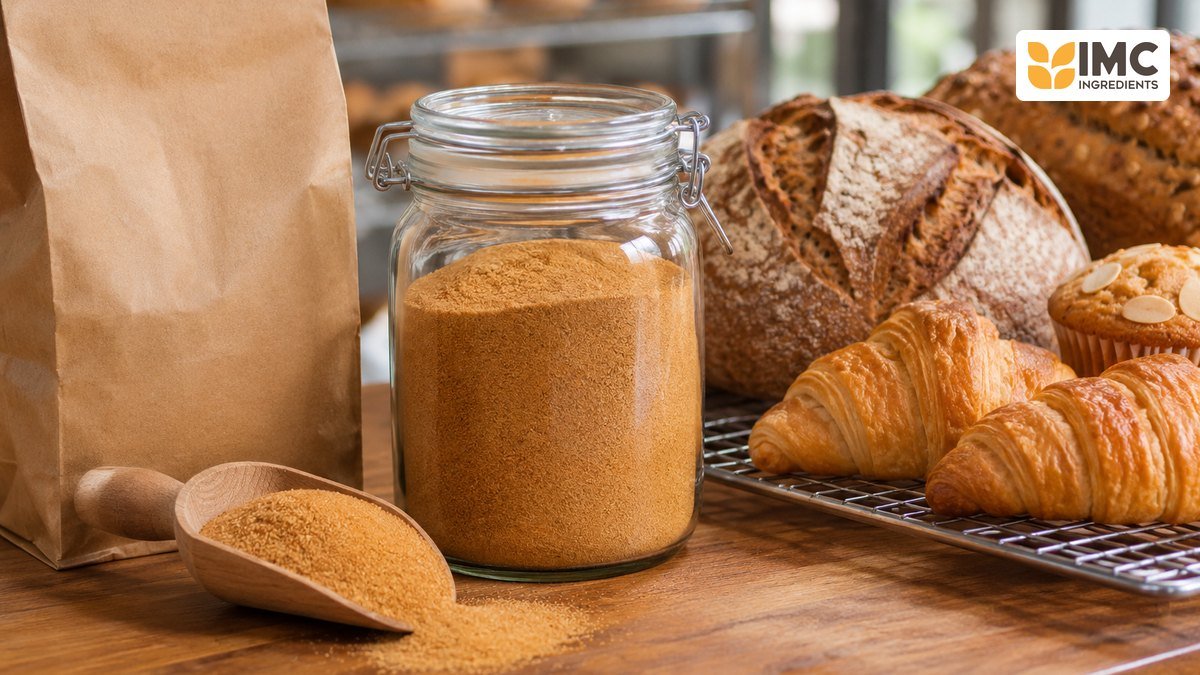
Many organic bakeries want a sweetener with a natural, less refined image and a distinct flavour. Organic coconut sugar adds caramel notes and a warm colour, which suits whole-grain breads, cookies, cakes and granola.
Grade choice
| Use | Grade |
|---|---|
| Doughs, batters, creams | Mesh 50 |
| Toppings, crumbles, crusts | Mesh 14 |
| Glazes | Mesh 50 dissolved or milled |
Recipe tips
- Replace sugar 1:1 by weight.
- Expect darker colour and caramel flavour.
- Lower oven temperature slightly if products brown too fast.
- Add a little liquid when replacing honey or syrup.
- Test new recipes in small batches.
Storage and separation
Store organic coconut sugar in a clearly labelled area, away from non-organic sugars. Use dedicated scoops or clean them between uses. Keep the bag sealed to prevent moisture uptake.
Documents for audits
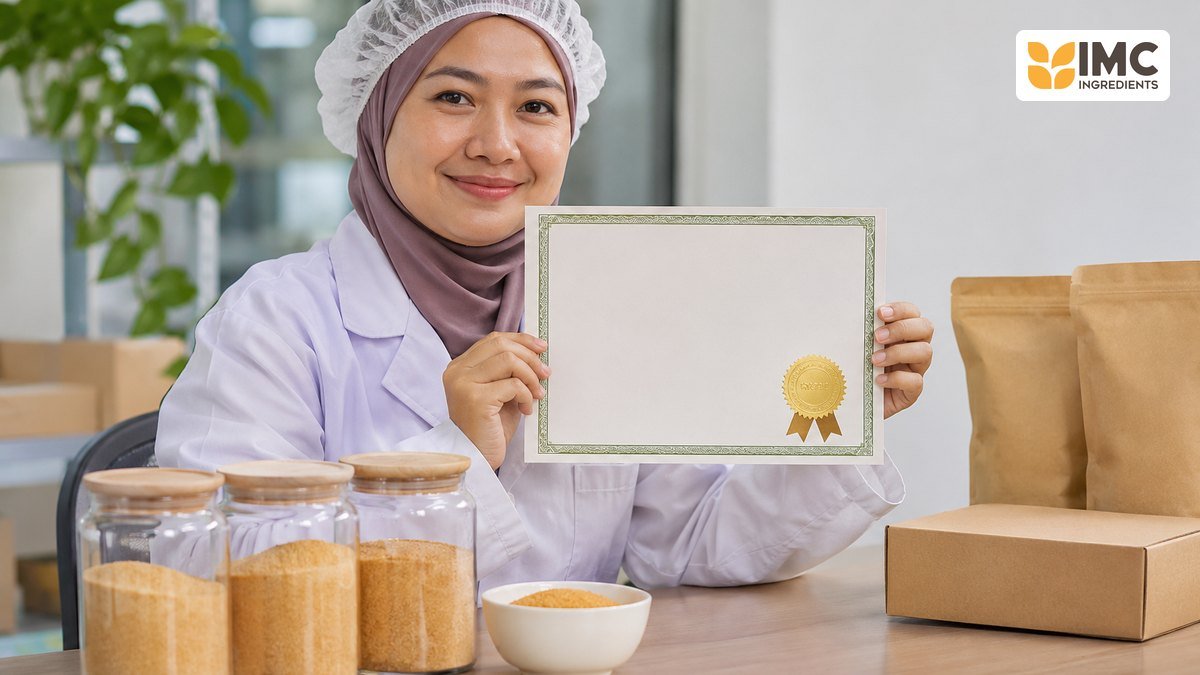
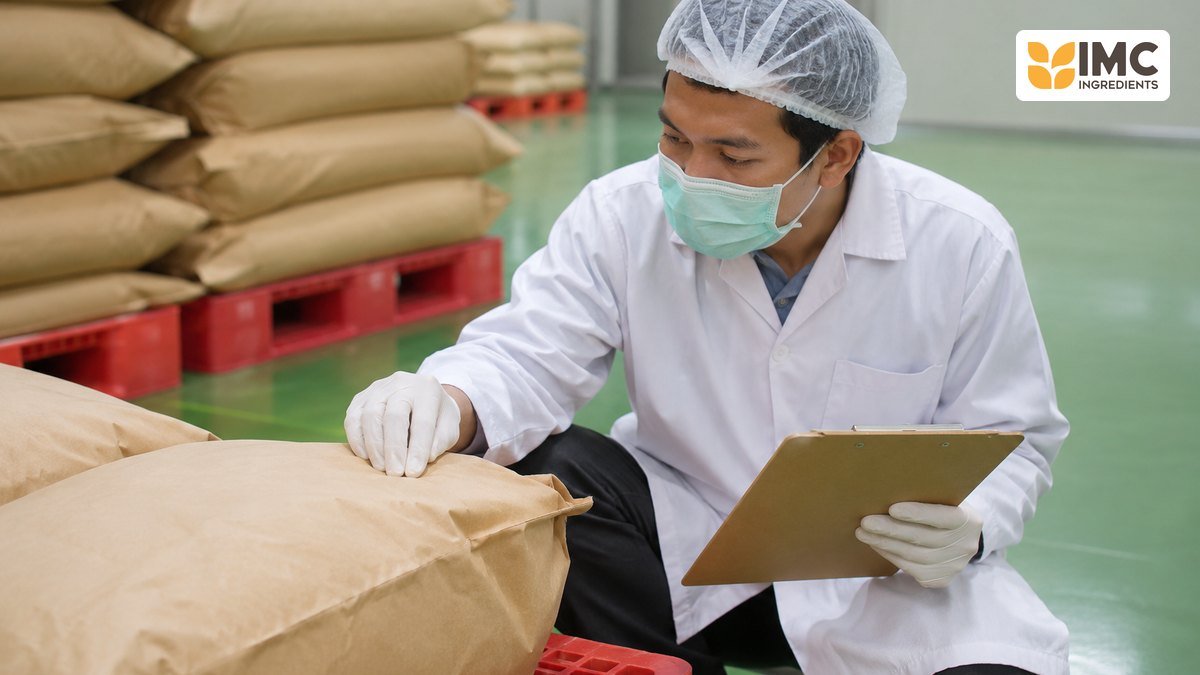
Organic bakeries are inspected by their control body. Inspectors check that ingredients are certified. Keep:
- The supplier’s organic certificate.
- Invoices and delivery notes showing “organic”.
- Lot codes linked to production records.
Labelling finished goods
If the bakery’s products are certified organic, labels must follow the market rules. Coconut sugar should appear as organic in the ingredient list only when it is certified.
Talking to customers
Customers may ask why coconut sugar is used. Answer with facts about flavour and origin. Avoid health claims.
Planning purchases
Organic ingredients can have longer lead times than conventional ones. Plan orders ahead, keep a safety stock and rotate it so older stock is used first. Talk with your supplier or distributor about seasonal demand, such as holiday baking peaks.
Training bakery staff
Make sure bakery staff know which ingredients are organic and why separation matters. A short briefing and clear shelf labels prevent mistakes, such as using a non-organic sugar in an organic recipe during a busy shift.
Where does IMC fit?
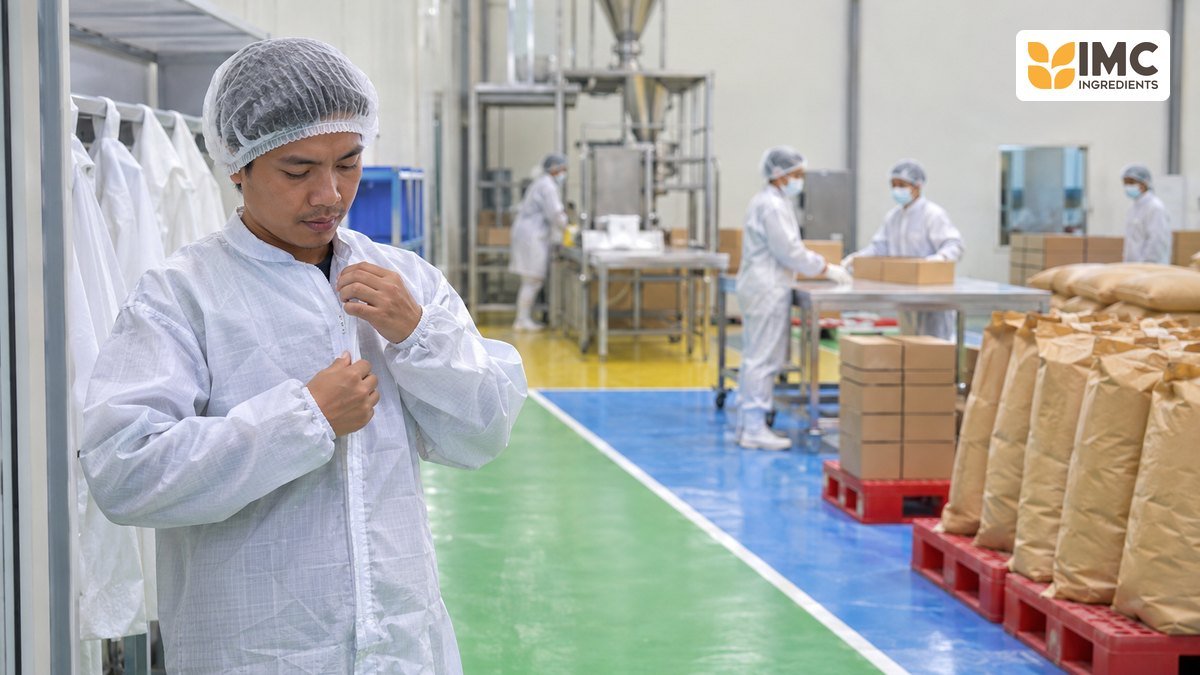
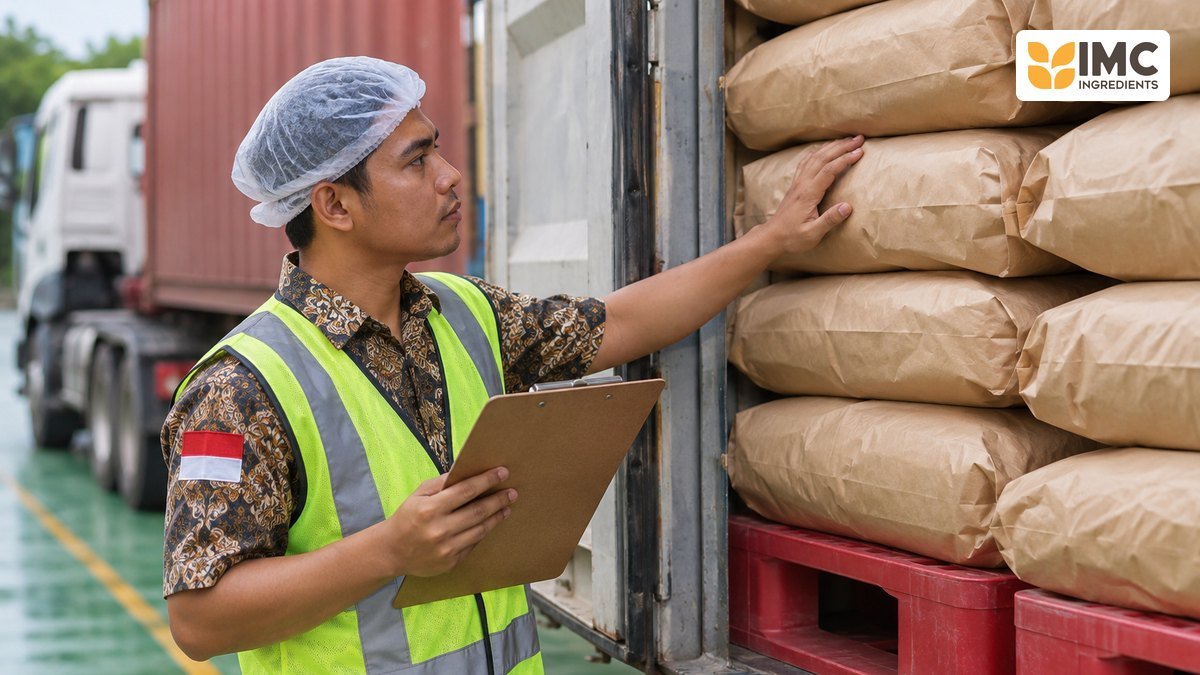
PT Integral Mulia Cipta (IMC Group) has produced coconut sugar in Central Java, Indonesia, since 2012. IMC supplies organic coconut sugar in mesh 14 and mesh 50, packed in paper bags with a food-grade PE liner, for bakeries and food manufacturers.
FAQ
Can organic coconut sugar replace white sugar 1:1? Yes, by weight in most recipes.
Which grade suits doughs? Mesh 50.
What documents do inspectors check? Certificates, invoices and lot records.
Can I make health claims? No, keep descriptions factual.
Questions about coconut sugar for your products? PT Integral Mulia Cipta (IMC Group), a Central Java producer since 2012, is happy to help. Email info@organic-coconut-sugar.com or WhatsApp +62 821 1348 5564.