Author: IMC Group

  • The Organic Control Body and Annual Inspections

    The Organic Control Body and Annual Inspections

    Quick answer: A control body is an independent organisation approved to inspect and certify organic producers. It inspects each certified operation at least once a year, checking farms, the internal control system, processing, records and stock. If the operation meets the standard, the control body issues or renews the certificate.

    Key takeaways – Control bodies are approved by authorities. – Inspections happen at least once a year. – Records and traceability are central. – Findings must be corrected within agreed times.

    Role of the control body

    Organic certification is based on trust backed by checks. The control body checks that organic rules are followed. It is approved by government authorities in the markets it certifies for, such as the EU or the USA.

    What inspectors check

    Area Examples
    Farms Field practices, inputs, buffer zones
    Internal control system Farmer lists, internal inspections, training
    Processing Cleaning, separation, additives
    Records Purchases, sales, stock balance
    Labelling Correct use of organic terms
    Traceability From farmer group to lot code

    Mass balance checks

    Inspectors compare how much organic product came in and went out. If a factory sells more organic sugar than it could have produced from certified sap, this is a serious warning sign. Good records make this check simple.

    Sampling

    Inspectors may take samples for residue analysis. Results help confirm that prohibited substances were not used.

    Preparing for inspection

    1. Update farmer lists and maps.
    2. Complete internal inspections.
    3. Check stock records and sales documents.
    4. Clean and organise storage areas.
    5. Prepare training records.
    6. Review last year’s findings and actions.

    After the inspection

    The inspector writes a report with findings. Minor issues usually need a correction plan. Major issues can delay or suspend certification. Once findings are resolved, the certificate is issued or renewed.

    Unannounced visits

    Control bodies also make some unannounced inspections. Operations should be ready at any time, not only on the planned date.

    How buyers use inspection results

    Buyers usually do not see the full inspection report, but they can check the certificate, its scope and validity. Some buyers ask suppliers to share a summary of findings and corrective actions. Open communication builds confidence in the organic supply chain.

    Choosing a control body

    Producers choose a control body that is approved for the markets they sell to. Some control bodies cover several standards in one inspection visit, which saves time and cost. Language skills, local presence and experience with smallholder groups are also practical factors when a supplier makes this choice.

    Where does IMC fit?

    PT Integral Mulia Cipta (IMC Group) has produced coconut sugar in Central Java, Indonesia, since 2012. IMC supplies organic coconut sugar in mesh 14 and mesh 50, and its GIZ develoPPP partnership since 2025 includes support for organic certification work with farmers.

    FAQ

    How often are inspections? At least once a year, plus possible unannounced visits.

    What is a mass balance check? Comparing organic inputs and outputs.

    Can samples be taken? Yes, for residue testing.

    What happens after findings? The operation corrects them within agreed times.


    IMC Group (PT Integral Mulia Cipta) supplies fine-granule organic coconut sugar from Central Java to food companies worldwide. Talk to our team: info@organic-coconut-sugar.com or WhatsApp +62 821 1348 5564.


  • Supplier Performance Reviews

    Supplier Performance Reviews

    Quick answer: A supplier performance review is a regular check of how well a supplier delivers on quality, delivery, documents and service. Buyers use simple scorecards, discuss results in a meeting and agree improvement actions. Done well, reviews strengthen the relationship rather than just grading the supplier.

    Key takeaways – Measure quality, delivery, documents and service. – Use simple, agreed scorecards. – Discuss results openly in review meetings. – Agree actions and follow up.

    Why review suppliers

    Food safety standards expect buyers to monitor approved suppliers. Reviews also help buyers plan, reduce risk and decide where to grow volumes. For suppliers, feedback shows where to improve.

    What to measure

    Area Example indicator
    Quality Lots within specification, complaints
    Delivery On-time shipments, correct quantities
    Documents Accurate, complete and on time
    Service Response time to questions
    Compliance Valid certificates, audit results

    Building a scorecard

    1. Choose a small number of indicators.
    2. Define how each is measured.
    3. Agree targets with the supplier.
    4. Score monthly or per shipment.
    5. Summarise each quarter or year.

    The review meeting

    Share the scorecard before the meeting. Discuss strengths as well as problems. Ask the supplier for their view, as some issues may come from the buyer’s side, such as late orders or changing specifications.

    Improvement plans

    For each issue, agree an action, an owner and a deadline. Follow up at the next review. Keep notes in the supplier file.

    Fairness and context

    Consider external factors such as port congestion or extreme weather. A fair review recognises what was outside the supplier’s control while still looking for ways to reduce impact.

    Using results

    Strong performance can lead to longer contracts or larger volumes. Repeated problems may lead to more frequent checks or a search for additional suppliers.

    Two-way feedback

    Good reviews also invite the supplier to comment on the buyer’s performance, such as forecast accuracy, payment timing and clarity of specifications. Two-way feedback builds a partnership and often solves problems faster than one-sided scoring.

    Collecting data during the year

    Scorecards are only as good as the data behind them. Record delivery dates, lot results, complaints and document issues as they happen, not from memory at the end of the year. A shared spreadsheet or purchasing system makes this easy and gives both sides the same facts in the review meeting.

    Where does IMC fit?

    PT Integral Mulia Cipta (IMC Group) has produced coconut sugar in Central Java, Indonesia, since 2012. IMC supplies organic and conventional coconut sugar in mesh 14 and mesh 50 and welcomes regular performance reviews with buyers.

    FAQ

    How often should suppliers be reviewed? Often quarterly or yearly, depending on risk.

    What should be measured? Quality, delivery, documents, service and compliance.

    Should suppliers see the scorecard? Yes, before the meeting.

    What happens after the review? Agreed actions are followed up.


    IMC Group (PT Integral Mulia Cipta) supplies fine-granule organic coconut sugar from Central Java to food companies worldwide. Talk to our team: info@organic-coconut-sugar.com or WhatsApp +62 821 1348 5564.

  • Supplier Codes of Conduct: What They Ask

    Supplier Codes of Conduct: What They Ask

    Quick answer: A supplier code of conduct is a document in which a buyer sets out minimum expectations for its suppliers on labour, safety, ethics and environment. Signing it means agreeing to meet these standards and allow checks. Small suppliers should read codes carefully, compare them with their practices and be honest about any gaps.

    Key takeaways – Codes set minimum standards for suppliers. – Common topics are labour, safety, ethics and environment. – Signing is a commitment that may be checked. – Be honest about gaps and plan improvements.

    Why buyers use codes

    Buyers are responsible for risks in their supply chains. A code of conduct communicates expectations clearly and forms part of contracts and supplier approval.

    Common topics

    Topic Typical requirements
    Child labour No employment below legal age
    Forced labour No forced, bonded or prison labour
    Wages and hours Legal wages and working hours
    Health and safety Safe workplace, training, equipment
    Non-discrimination Equal treatment
    Ethics No bribery or corruption
    Environment Comply with laws, reduce impacts
    Subcontracting Pass requirements down the chain

    What signing means

    Signing usually means the supplier agrees to follow the code and allows the buyer or an auditor to check. Some codes require suppliers to inform the buyer of serious problems.

    Preparing to comply

    1. Read the code fully.
    2. Compare each requirement with current practice.
    3. Note gaps and plan improvements.
    4. Keep evidence, such as payroll and training records.
    5. Discuss unclear points with the buyer.

    Farm-level topics

    Codes may ask suppliers to address risks among farmers who supply raw materials. Describe how you work with farmer groups, for example through training and safety programmes.

    Multiple codes

    Suppliers often receive different codes from different buyers. Many topics overlap. A clear internal policy covering common topics makes it easier to respond.

    Honesty

    Do not sign a code you cannot meet without discussing it. Buyers usually prefer an honest improvement plan to a signature without action.

    Keeping the code alive

    A signed code should not sit in a drawer. Share key points with managers and staff, include them in training and review them each year. When the buyer updates the code, check what has changed and whether practices need to change too.

    Asking for support

    Some buyers offer training or tools to help suppliers meet their codes. Ask whether such support exists, especially for topics that are new to your team.

    Where does IMC fit?

    PT Integral Mulia Cipta (IMC Group) has produced coconut sugar in Central Java, Indonesia, since 2012. IMC supplies organic and conventional coconut sugar in mesh 14 and mesh 50 and reviews buyer requirements as part of supplier approval.

    FAQ

    What is a supplier code of conduct? A buyer’s minimum expectations for suppliers.

    Does signing allow audits? Usually, yes.

    What if I cannot meet a requirement? Discuss it and agree an improvement plan.

    Do codes cover farmers? Many ask suppliers to address farm-level risks.


    PT Integral Mulia Cipta (IMC Group) has produced organic coconut sugar in Central Java, Indonesia, since 2012. For specifications or samples, email info@organic-coconut-sugar.com or WhatsApp +62 821 1348 5564.

  • SDG 17: Partnerships for the Goals

    SDG 17: Partnerships for the Goals

    Quick answer: SDG 17 is the United Nations goal that focuses on partnerships to achieve the other Sustainable Development Goals. For food suppliers, it means working with development agencies, NGOs, governments, buyers and farmer groups to tackle issues that no single organisation can solve alone. Good partnerships have clear goals, shared responsibilities and honest reporting.

    Key takeaways – SDG 17 is about partnerships across sectors. – Suppliers can partner with agencies, NGOs, buyers and farmers. – Clear goals and roles make partnerships work. – Report results honestly.

    Why partnerships matter

    Problems in agricultural supply chains, such as safety risks, low productivity or climate change, are complex. Companies, governments and civil society each bring different skills and resources. Partnerships combine them.

    Types of partners

    Partner Possible contribution
    Development agencies Funding, expertise, programme design
    NGOs Community work, training
    Local government Infrastructure, regulations, extension services
    Buyers Market access, co-funding, requirements
    Farmer groups Local knowledge, participation
    Research institutes Data, testing, innovation

    Examples from coconut sugar

    IMC’s CSR work shows partnership in practice. In 2023, a tool renewal programme with PUR Projet provided aluminium pans, strainers, sieves and bamboo containers to farmers in Banyumas, Purbalingga, Cilacap and Kebumen. Since 2025, a GIZ develoPPP partnership has supported training, safer work, organic certification and dwarf coconut.

    What makes partnerships work

    1. Shared, clear goals.
    2. Defined roles and responsibilities.
    3. Realistic budgets and timelines.
    4. Regular communication.
    5. Monitoring and honest reporting.
    6. Involvement of farmers in planning.

    Challenges

    Partners may have different priorities, timelines or reporting needs. Agreeing these at the start reduces conflict. Programmes should plan for what happens after funding ends.

    Communicating partnerships

    Describe partnerships accurately, naming partners and activities. Respect partners’ communication rules and avoid overstating results.

    How buyers can join

    Buyers can support existing programmes, co-fund activities or share expertise. Long-term buying relationships also support partnership goals by giving suppliers confidence to invest.

    Lessons for future programmes

    Each partnership teaches lessons about what works in a given community. Recording these lessons, including mistakes, helps design better programmes later and shows partners that the supplier takes learning seriously.

    Measuring partnership results

    Partners should agree early on which results they will measure and how. Simple indicators, such as farmers trained or tools provided, make progress visible. Regular joint reviews help partners adjust activities and keep everyone informed.

    Where does IMC fit?

    PT Integral Mulia Cipta (IMC Group) has produced coconut sugar in Central Java, Indonesia, since 2012. IMC supplies organic and conventional coconut sugar in mesh 14 and mesh 50 and works with partners on CSR programmes for farmer communities.

    FAQ

    What is SDG 17? The UN goal on partnerships for sustainable development.

    Who can partner with suppliers? Agencies, NGOs, governments, buyers and farmer groups.

    What makes a partnership successful? Clear goals, roles and honest reporting.

    Can buyers take part? Yes, through support, co-funding and long-term sourcing.


    Looking for a reliable coconut sugar partner? Contact PT Integral Mulia Cipta (IMC Group) in Central Java, Indonesia: info@organic-coconut-sugar.com or WhatsApp +62 821 1348 5564.

  • Sap Quality and Why Freshness Matters

    Sap Quality and Why Freshness Matters

    Quick answer: Coconut blossom sap starts to ferment soon after it leaves the tree, especially in warm weather. Fermentation lowers the sugar available for crystallising and can affect colour, flavour and texture. Clean containers, regular collection and cooking the sap soon after collection all help keep sap fresh and the final sugar consistent.

    Key takeaways – Fresh sap ferments quickly in warm conditions. – Fermentation affects yield, colour and flavour. – Clean containers and quick cooking protect quality. – Training and tools support good practice.

    What happens to sap after collection

    Sap contains sugars and is a good environment for natural yeasts and bacteria. Once collected, these microbes start to convert sugar into acids and alcohol. The warmer it is, the faster this happens. That is why timing matters so much in coconut sugar making.

    Effects of poor sap quality

    Problem Possible effect on sugar
    Fermented sap Lower yield, sour notes
    Dirty containers Faster spoilage, foreign matter
    Long delay before cooking Darker colour, softer texture
    Contaminated sap Quality and safety risks

    Good practices

    1. Clean collection containers before every use.
    2. Collect sap at regular times, usually morning and afternoon.
    3. Strain sap to remove insects and debris.
    4. Start cooking as soon as possible.
    5. Use clean pans and stirring tools.
    6. Keep the cooking area tidy and covered.

    Traditional methods

    In many villages, small amounts of natural materials are traditionally added to sap containers to slow fermentation. Any practice must comply with food safety rules and, for organic sugar, with the organic standard. Suppliers check these practices through training and inspection.

    Tools make a difference

    Better tools help farmers keep sap clean. In 2023, IMC’s tool renewal programme with PUR Projet provided aluminium pans, strainers, sieves and bamboo containers to farmers in Banyumas, Purbalingga, Cilacap and Kebumen.

    Why buyers should care

    Sap quality is the start of product quality. Consistent, fresh sap leads to more consistent colour, flavour and texture in the final sugar. Buyers benefit from suppliers that invest in farmer training and tools.

    Seasonal challenges

    In the rainy season, sap may be more diluted, and in hot months it may ferment faster. Farmers adjust collection and cooking routines to the season. Suppliers that understand these patterns can plan quality checks accordingly.

    Checking sap quality in the village

    Simple checks help farmers spot problems early. Fresh sap smells sweet and looks fairly clear. Sour smells, foam or cloudiness suggest fermentation has started. Farmer group training often covers these signs, so producers can decide quickly whether sap is still suitable for cooking.

    Where does IMC fit?

    PT Integral Mulia Cipta (IMC Group) has produced coconut sugar in Central Java, Indonesia, since 2012. IMC supplies organic and conventional coconut sugar in mesh 50 and mesh 14 and supports farmers with training and tools through its CSR work.

    FAQ

    Why does sap ferment? Natural microbes convert its sugars in warm conditions.

    How quickly should sap be cooked? As soon as possible after collection.

    Do clean containers matter? Yes, they slow spoilage and prevent contamination.

    Can tools improve quality? Yes, clean, suitable tools help keep sap fresh.


    Questions about coconut sugar for your products? PT Integral Mulia Cipta (IMC Group), a Central Java producer since 2012, is happy to help. Email info@organic-coconut-sugar.com or WhatsApp +62 821 1348 5564.

  • Responsible Energy Use in Factories

    Responsible Energy Use in Factories

    Quick answer: Responsible energy use means knowing where energy is used, avoiding waste and choosing efficient options when equipment is replaced. In a coconut sugar factory, drying, motors, lighting and cooling are typical energy users. Simple steps like metering, maintenance and switching off idle equipment can reduce use and cost.

    Key takeaways – Measure energy use before trying to reduce it. – Drying and motors are often major users. – Maintenance and habits save energy at low cost. – Report progress honestly with real data.

    Why energy matters

    Energy is a cost and an environmental issue. Buyers increasingly ask suppliers about energy and emissions. Even small factories can show responsible practices with simple data and actions.

    Where energy goes

    Area Typical use
    Drying Heat and fans
    Motors Sieves, conveyors, mixers
    Lighting Production and warehouse areas
    Cooling and ventilation Offices and some process areas
    Compressed air Cleaning and equipment

    Simple savings

    1. Switch off machines and lights when not in use.
    2. Fix air leaks and insulate hot surfaces.
    3. Keep motors and fans clean and maintained.
    4. Use daylight where possible.
    5. Replace old lamps with efficient lighting.
    6. Plan production to avoid idle running.

    Monitoring

    Read meters regularly and record energy use per tonne of product. This shows whether changes make a difference. Share results with staff to build awareness.

    Investment decisions

    When equipment needs replacing, compare energy efficiency as well as purchase price. Over time, efficient equipment can reduce operating costs.

    Renewable options

    Some factories explore solar panels or other renewable sources. Assess costs, space and local regulations carefully before investing.

    Reporting

    Report energy data honestly. Avoid claims such as “carbon neutral” unless they are fully verified. Describe actual steps and measured results.

    Involving staff

    Operators often see energy waste first, such as machines left running or lights on in empty rooms. Invite staff to suggest savings and recognise good ideas. Simple reminders near switches help build good habits.

    Setting simple targets

    Once a factory knows its energy use per tonne, it can set a modest target for improvement, such as a small reduction over a year. Track progress monthly and explain any changes, such as a new production line or a very wet season that required longer drying. Simple, realistic targets are more useful than ambitious numbers without a plan, and they give buyers clear, honest information.

    Where does IMC fit?

    PT Integral Mulia Cipta (IMC Group) has produced coconut sugar in Central Java, Indonesia, since 2012. IMC supplies organic and conventional coconut sugar in mesh 14 and mesh 50 and shares CSR information with buyers on request.

    FAQ

    Where do factories use most energy? Often in drying and motors.

    What is a simple first step? Measure use and switch off idle equipment.

    How should energy be reported? With real data and no unverified claims.

    Are renewables always worth it? Assess costs and conditions carefully first.


    IMC Group (PT Integral Mulia Cipta) supplies fine-granule organic coconut sugar from Central Java to food companies worldwide. Talk to our team: info@organic-coconut-sugar.com or WhatsApp +62 821 1348 5564.
  • Remote Audits and Document Reviews

    Remote Audits and Document Reviews

    Quick answer: A remote audit is an audit carried out by video call and document sharing instead of a site visit. Buyers and certification bodies use them when travel is difficult or for follow-up checks. Good preparation, stable internet, organised documents and a planned video tour make remote audits effective, though they cannot fully replace on-site visits.

    Key takeaways – Remote audits use video and shared documents. – Preparation and organised files are essential. – Video tours show key areas live. – On-site audits remain important for full assurance.

    When remote audits are used

    Remote audits are useful for first assessments, follow-ups on corrective actions, or when travel is restricted. Some certification schemes allow remote parts of an audit under specific rules.

    Typical structure

    Part Activity
    Opening meeting Agenda, participants, scope
    Document review Procedures, records, certificates
    Live video tour Production, packing, storage
    Interviews Staff responsible for key tasks
    Closing meeting Findings and next steps

    Preparing documents

    1. Ask the auditor for a document list in advance.
    2. Organise files in clearly named folders.
    3. Scan paper records in readable quality.
    4. Check that versions are current.
    5. Assign one person to share files during the call.

    The video tour

    Plan a route through the site. Test the connection in each area beforehand. Use a phone or tablet with a stable holder. Let the auditor guide what they want to see, such as handwashing stations, sieve screens or storage areas.

    Interviews

    Auditors may speak with operators to check understanding of procedures. Make sure translation is available if needed.

    Limits

    Video cannot show everything. Smells, small details and the general feel of a site are harder to judge. Auditors may follow up with an on-site visit later.

    Data security

    Share documents through secure channels. Avoid sending personal data that is not needed. Agree how files will be stored and deleted after the audit.

    After the audit

    The auditor shares findings in writing. Agree corrective actions and deadlines, and send evidence of completion, such as photos or updated records. Keep the audit file with your other supplier documents.

    Technical checks before the call

    Test the video platform, camera and microphone a day before. Charge devices fully and have a backup phone ready. Agree a time zone and a contact number in case the connection fails.

    Where does IMC fit?

    PT Integral Mulia Cipta (IMC Group) has produced coconut sugar in Central Java, Indonesia, since 2012. IMC supplies organic and conventional coconut sugar in mesh 14 and mesh 50 and can support buyer document reviews on request.

    FAQ

    What is a remote audit? An audit done through video and document sharing.

    Can it replace an on-site audit? Not fully; it has limits.

    How should documents be prepared? Organised, current and easy to share.

    What does the video tour show? Key production, packing and storage areas.


    Looking for a reliable coconut sugar partner? Contact PT Integral Mulia Cipta (IMC Group) in Central Java, Indonesia: info@organic-coconut-sugar.com or WhatsApp +62 821 1348 5564.

  • Organic Labelling Rules for Coconut Sugar Products

    Organic Labelling Rules for Coconut Sugar Products

    Quick answer: You can call a coconut sugar product organic only if the product and its handling are certified under the organic standard of the market where it is sold. Labels usually need the correct logo, the code of the control body and accurate ingredient wording. Products with only some organic ingredients have stricter limits on how organic can be shown.

    Key takeaways – Only certified products may be labelled organic. – Each market has its own logo and rules. – Mixed products follow percentage rules. – Control body codes are usually required.

    Who needs certification

    Not only the coconut sugar producer but also companies that pack, process or label organic products usually need certification. A brand that repacks organic coconut sugar into retail bags must normally be certified for that activity.

    Market examples

    Market Typical label elements
    European Union EU organic logo, control body code, origin of ingredients
    United States USDA organic seal optional, certifier name
    Other markets National logos and rules

    Always check the latest rules for your market.

    Single-ingredient products

    A pack of pure organic coconut sugar can be labelled organic if it is certified and handled correctly. The ingredient list may simply say “organic coconut sugar”.

    Multi-ingredient products

    In many markets, a product can only be called organic on the front if most agricultural ingredients are organic. Products with a lower share may only mention organic ingredients in the ingredient list. Percentages and wording rules differ by market.

    Common mistakes

    1. Using the organic logo without certification.
    2. Forgetting the control body code.
    3. Calling a product organic when only one ingredient is organic.
    4. Using old certificate data after it expires.
    5. Combining organic claims with health claims.

    Using supplier documents

    Keep the supplier’s organic certificate and transaction documents on file. Check that the certificate covers the product name and that it is valid at the time of purchase.

    Online and marketing materials

    Organic rules apply to websites, social media and marketing, not just packs. Make sure claims are consistent everywhere.

    Getting expert help

    Organic labelling rules are detailed and change from time to time. Many brands ask their control body or a regulatory consultant to review packs before printing. A short review costs less than reprinting packs or withdrawing products.

    Where does IMC fit?

    PT Integral Mulia Cipta (IMC Group) has produced coconut sugar in Central Java, Indonesia, since 2012. IMC supplies organic coconut sugar in mesh 14 and mesh 50 with documents that support buyers’ organic labelling.

    FAQ

    Can I repack organic coconut sugar and keep the claim? Usually only if your repacking is certified.

    Do I need the control body code? In many markets, yes.

    Can mixed products be called organic? Only if they meet the market’s percentage rules.

    Can I combine organic and health claims? Avoid health claims; organic is about production.


    Looking for a reliable coconut sugar partner? Contact PT Integral Mulia Cipta (IMC Group) in Central Java, Indonesia: info@organic-coconut-sugar.com or WhatsApp +62 821 1348 5564.

  • Organic Integrity From Farm to Container

    Organic Integrity From Farm to Container

    Quick answer: Organic integrity means the product stays truly organic at every step from farm to buyer. For coconut sugar, this requires certified farms, separate collection, clean processing, clearly labelled storage, clean containers and documents that match the goods. A weak link anywhere can put the organic status at risk.

    Key takeaways – Integrity must be protected at every step. – Separation and labelling prevent mix-ups. – Clean equipment and containers prevent contamination. – Documents must match the physical goods.

    Why integrity matters

    Organic buyers pay for a product produced under strict rules. If organic and non-organic products are mixed, or if contamination occurs, the buyer’s own certification and reputation are at risk. Integrity is the basis of trust in organic trade.

    Risk points along the chain

    Stage Risk Control
    Farm Prohibited inputs, drift Training, buffer zones
    Collection Mixing with non-organic sugar Separate collection, records
    Processing Residues from cleaning or equipment Cleaning, line clearance
    Packing Wrong labels Label checks
    Storage Mixing, fumigation Separate areas, no prohibited treatments
    Container Residues from previous cargo Inspection and cleaning
    Documents Mismatched data Checks before shipment

    Separation in practice

    Organic products should be stored in clearly marked areas. If a factory handles both organic and non-organic sugar, organic batches are usually processed first after cleaning, and records show line clearance.

    Fumigation and pest control

    Some pest control treatments are not allowed for organic products. Factories must choose pest control methods that are compatible with organic rules and document them.

    Container checks

    1. Inspect for cleanliness and odour.
    2. Check for residues of previous cargo.
    3. Use clean liners where required.
    4. Record the inspection.
    5. Seal and record the seal number.

    Documents

    The organic certificate, transaction documents and import documents must match the lot codes and weights on the bags. Even small errors can delay release at destination.

    Training staff

    Everyone who handles organic product, from farmers to warehouse staff, should understand the basic rules. Simple training and clear signs help prevent accidental mistakes.

    Investigating a problem

    If a residue is found or a mix-up is suspected, the operation must isolate the affected product, inform the control body and investigate. Clear records make it possible to find the cause and protect other lots.

    Where does IMC fit?

    PT Integral Mulia Cipta (IMC Group) has produced coconut sugar in Central Java, Indonesia, since 2012. IMC supplies organic coconut sugar in mesh 14 and mesh 50, packed in paper bags with a food-grade PE liner and documented by lot.

    FAQ

    What is organic integrity? Keeping a product truly organic through every step.

    Where are the main risks? Collection, processing, storage, containers and documents.

    Can organic and non-organic be processed on the same line? Only with cleaning, clearance and records.

    Why check containers? To avoid contamination from previous cargo.


    PT Integral Mulia Cipta (IMC Group) has produced organic coconut sugar in Central Java, Indonesia, since 2012. For specifications or samples, email info@organic-coconut-sugar.com or WhatsApp +62 821 1348 5564.
  • Organic Farming Without Synthetic Inputs

    Organic Farming Without Synthetic Inputs

    Quick answer: Organic farmers manage their land without synthetic fertilisers, pesticides or herbicides. In coconut gardens, this means using compost and organic matter for nutrients, mulching and manual weeding for weed control, and natural methods for pests. Records and inspections confirm that no prohibited inputs are used.

    Key takeaways – No synthetic fertilisers, pesticides or herbicides. – Compost and mulch feed the soil. – Weeds are controlled by hand or with ground cover. – Records show which inputs are used.

    Feeding the soil

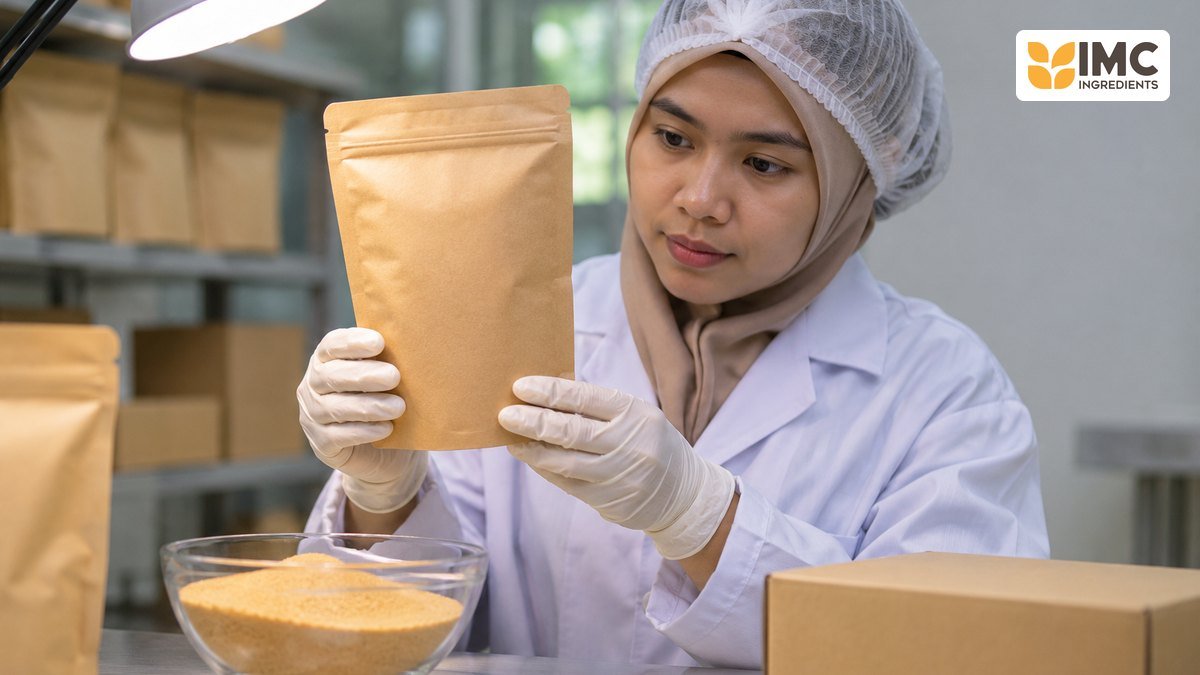
    Organic farming relies on building healthy soil. Farmers add compost, plant residues and other permitted organic materials. These release nutrients slowly and improve soil structure.

    Common practices

    Practice Purpose
    Composting Recycles plant material into nutrients
    Mulching Keeps soil moist, suppresses weeds
    Manual weeding Removes weeds without herbicides
    Intercropping Uses space, adds diversity
    Natural pest control Traps, hand removal, encouraging predators

    Weed control

    Without herbicides, farmers cut weeds by hand or with simple tools. Mulch and ground cover plants reduce weed growth. This takes time, so farmer groups often share work or plan weeding at key times.

    Pest and disease control

    Organic farmers rely on prevention: healthy plants, clean gardens and monitoring. Where pests appear, they use physical methods or inputs permitted under the organic standard. Any input must be checked before use.

    Records

    1. List of inputs used, with dates and amounts.
    2. Source of compost or organic materials.
    3. Notes on pest problems and actions.
    4. Training attendance.

    Role of the internal control system

    In smallholder groups, internal inspectors visit farms and check practices and records. They help farmers understand rules and report problems early.

    Challenges

    Organic practices can require more labour. Yields may change during the transition period. Training, tools and steady market demand help farmers stay organic.

    Transition period

    Land moving from conventional to organic management usually needs a conversion period before its products can be sold as organic. During this time, farmers follow organic rules but cannot yet use the organic claim. Planning ahead helps farmers manage this period.

    Sharing knowledge in farmer groups

    Farmer groups are a practical place to learn organic methods. Members can share compost recipes, show each other how to mulch and discuss pest problems. Field days and short demonstrations often work better than written guides, because farmers see results directly in a neighbour’s garden. Group leaders can also pass on updates about organic rules and remind members about record keeping before inspections.

    Where does IMC fit?

    PT Integral Mulia Cipta (IMC Group) has produced coconut sugar in Central Java, Indonesia, since 2012. IMC supplies organic coconut sugar in mesh 14 and mesh 50, and its GIZ develoPPP partnership since 2025 supports training and organic certification with farmers.

    FAQ

    What inputs are not allowed? Synthetic fertilisers, pesticides and herbicides.

    How do farmers feed the soil? With compost and permitted organic materials.

    How are weeds controlled? By hand, mulch and ground cover.

    Is there a conversion period? Yes, before products can be sold as organic.


    Questions about coconut sugar for your products? PT Integral Mulia Cipta (IMC Group), a Central Java producer since 2012, is happy to help. Email info@organic-coconut-sugar.com or WhatsApp +62 821 1348 5564.