
Blog

  • Coconut Sugar and Flavour Carry-Over in Recipes

    Coconut Sugar and Flavour Carry-Over in Recipes

    Quick answer: Flavour carry-over means how much of an ingredient’s own taste remains in the finished product. Coconut sugar carries caramel and toffee notes into drinks, baked goods and sauces. In strongly flavoured products the effect is subtle; in simple, light products it is clearly noticeable. You can boost or soften it through dose, pairing and partial swaps.

    Key takeaways – Coconut sugar’s caramel notes carry into many foods. – Strong flavours mask it; light foods show it. – Pairing ingredients can boost or balance it. – Partial swaps reduce the effect.

    What carries over

    Coconut sugar has a warm caramel, toffee and light molasses profile. These notes come from the cooking of the sap. When coconut sugar replaces white sugar, these notes appear in the final product along with the sweetness.

    Where carry-over is strong or weak

    Product Carry-over Why
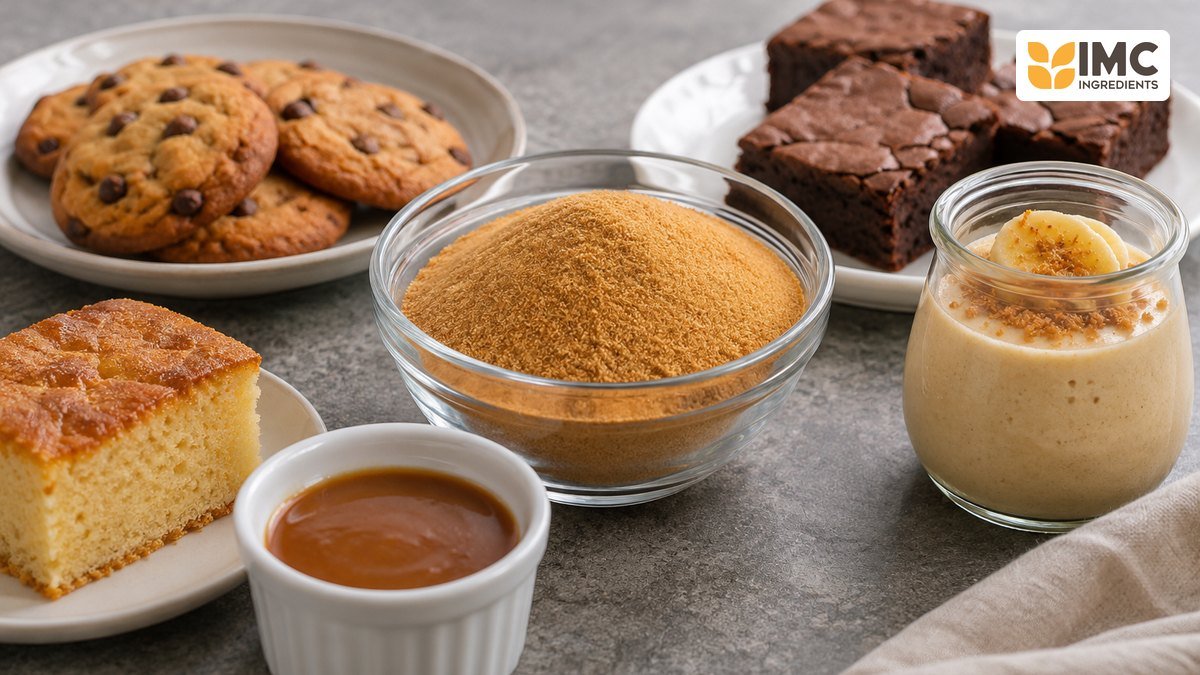
    Plain sugar cookies Strong Few other flavours
    Vanilla cake Noticeable Light base
    Chocolate brownies Subtle Cocoa dominates
    Spiced cakes Subtle, blends in Spices mask it
    Coffee drinks Noticeable, pleasant Matches roast notes
    Tomato sauces Subtle Acidity and umami dominate
    Peanut sauces Pleasant depth Matches roasted notes

    Boosting the caramel note

    Pair coconut sugar with butter, vanilla, cinnamon, coffee, nuts or sea salt. These ingredients share or complement caramel flavours. A small pinch of salt makes the caramel taste more pronounced.

    Softening the caramel note

    1. Use a partial swap, such as 25 to 50 percent.
    2. Add bright flavours like citrus.
    3. Use stronger flavours like cocoa or spices.
    4. Reduce cooking time if extra browning is adding notes.

    Testing carry-over

    Make two versions of the recipe: one with your usual sugar and one with coconut sugar. Taste them side by side, ideally blind. Note differences in sweetness, aroma and aftertaste. Repeat after storage, because flavours can change over time.

    Communicating flavour

    If coconut sugar is a highlight on the pack, the flavour difference can be an advantage. Describe it accurately with words like caramel or toffee rather than making health claims.

    Flavour and colour together

    Flavour carry-over usually comes with colour carry-over. A product that tastes more caramel-like will often look darker too. Plan both together when developing a recipe, especially for products where appearance matters to shoppers.

    Where does IMC fit?

    PT Integral Mulia Cipta (IMC Group) has produced coconut sugar in Central Java, Indonesia, since 2012. IMC supplies organic and conventional coconut sugar in mesh 50 and mesh 14 for food and beverage developers.

    FAQ

    What flavour does coconut sugar add? Caramel, toffee and light molasses notes.

    Where is the flavour most noticeable? In light, simple products.

    How can I reduce the flavour? Use a partial swap or stronger flavours.

    How do I test it? Compare versions side by side, ideally blind.


    Questions about coconut sugar for your products? PT Integral Mulia Cipta (IMC Group), a Central Java producer since 2012, is happy to help. Email info@organic-coconut-sugar.com or WhatsApp +62 821 1348 5564.

  • Coconut Sugar and Acid: Balancing Sour Flavours

    Coconut Sugar and Acid: Balancing Sour Flavours

    Quick answer: Sweetness and acidity balance each other. A small amount of coconut sugar softens sharp sour notes from lime, vinegar, tamarind or fruit, while its caramel flavour adds depth. Add coconut sugar step by step, taste often and remember that salt and fat also change how sour a dish tastes.

    Key takeaways – Sugar softens the perception of sourness. – Coconut sugar adds caramel depth as well as sweetness. – Add in small steps and taste. – Salt and fat also influence balance.

    Why sweet and sour work together

    Our tongues sense sweet and sour at the same time, and each changes how strong the other seems. A little sugar makes lime juice taste rounder. Too much hides the fresh sour note. Many classic dishes, from dressings to chutneys, rely on this balance.

    Common sour ingredients

    Sour ingredient Typical use Coconut sugar role
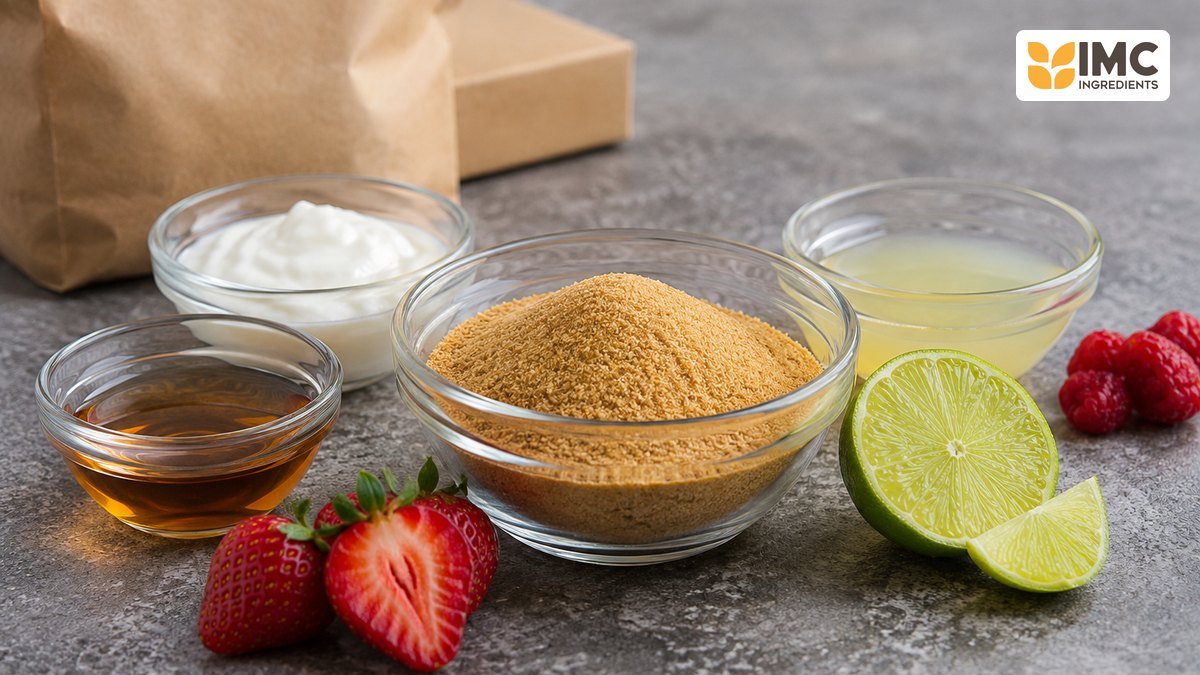
    Lime and lemon Dressings, drinks Rounds sharp citrus
    Vinegar Pickles, sauces Softens harsh notes
    Tamarind Sauces, drinks Adds depth to fruity sourness
    Yoghurt Marinades, drinks Gentle balance
    Tomato Sauces, sambal Reduces acidity perception
    Sour fruit Jams, compotes Brings out fruit flavour

    Practical method

    1. Start with the sour ingredient in your recipe.
    2. Dissolve a small amount of mesh 50 coconut sugar in it.
    3. Taste and add salt if needed.
    4. Add more sugar in small steps until balanced.
    5. Taste again after adding fat or oil.

    Example: simple lime dressing

    A basic Southeast Asian-style dressing combines lime juice, fish sauce or salt, coconut sugar and chilli. Dissolve the coconut sugar in the lime juice first, then add the rest. Adjust until no single taste dominates.

    Example: tamarind drink base

    Tamarind pulp is very sour. Simmer it with water, strain, then sweeten with coconut sugar to taste. The caramel notes match the fruity sourness well.

    Colour considerations

    Coconut sugar adds a light brown tint. In pale vinaigrettes this may be visible, but in tamarind, tomato or soy-based sauces it blends in.

    For food producers

    In bottled sauces and drinks, the balance of sugar and acid also affects stability and shelf life. Measure Brix and pH and work with a food technologist to set the right formula and process.

    Tasting tips

    Taste with a clean spoon and drink water between tastes. Ask two or three people to taste, because sensitivity to sour flavours differs between people. Write down each change so you can repeat the final balance later.

    Where does IMC fit?

    PT Integral Mulia Cipta (IMC Group) has produced coconut sugar in Central Java, Indonesia, since 2012. IMC supplies organic and conventional coconut sugar in mesh 50 and mesh 14 to sauce, beverage and food makers.

    FAQ

    Why add sugar to sour dishes? To soften sharp sourness and round the flavour.

    Which grade dissolves best in dressings? Mesh 50.

    Does coconut sugar change the colour? It adds a light brown tint.

    Should producers measure pH? Yes, along with Brix, for consistency and stability.


    Looking for a reliable coconut sugar partner? Contact PT Integral Mulia Cipta (IMC Group) in Central Java, Indonesia: info@organic-coconut-sugar.com or WhatsApp +62 821 1348 5564.

  • Baseline Surveys in Farmer Programmes

    Baseline Surveys in Farmer Programmes

    Quick answer: A baseline survey records the situation before a programme starts, such as farmers’ practices, tools, training needs and working conditions. Later surveys are compared with the baseline to see what has changed. Good baselines are simple, focused on the programme’s goals, collected with consent and stored securely.

    Key takeaways – A baseline shows the starting point. – Measure what the programme aims to change. – Use clear questions and consent. – Compare later results fairly with the baseline.

    Why baselines matter

    Without a baseline, it is hard to show whether a programme made a difference. Buyers, partners and donors often ask for evidence of change. A baseline also helps programme teams understand farmers’ real needs.

    What to measure

    Topic Example questions
    Production practices How is sap collected and cooked?
    Tools Which tools are used and in what condition?
    Safety Are protective items available?
    Training Which topics have farmers already learned?
    Organic status Is the farmer part of a certified group?
    Household Number of people working in production

    Keep the survey focused. Long surveys tire respondents and reduce data quality.

    Sampling

    It may not be possible to survey every farmer. A sample can represent the group if chosen carefully. Record how the sample was selected.

    Consent and privacy

    1. Explain the purpose of the survey.
    2. Ask for consent before starting.
    3. Use the local language.
    4. Protect personal data.
    5. Share results in summary form.

    Data quality

    Train enumerators, test questions before use and check data for errors. Record dates and locations.

    Using the baseline

    Repeat key questions after a set period. Compare results honestly. Some changes take time; some results may be unexpected. Report both.

    Linking to CSR activities

    Programmes such as tool renewal or safety training can be assessed against a baseline. For example, IMC’s tool renewal with PUR Projet in 2023 and its GIZ develoPPP partnership since 2025 are activities where baseline and follow-up data can show change.

    Sharing results with farmers

    Farmers who answer surveys should hear what was learned. A short meeting to share summary results shows respect for their time and can lead to useful discussion about next steps.

    Keeping surveys short

    A short survey that farmers can finish in a reasonable time gives better data than a long one. Test the questions with a few farmers first and remove anything unclear or unnecessary.

    Where does IMC fit?

    PT Integral Mulia Cipta (IMC Group) has produced coconut sugar in Central Java, Indonesia, since 2012. IMC works with farmer groups through CSR programmes and supplies organic and conventional coconut sugar in mesh 14 and mesh 50.

    FAQ

    What is a baseline survey? A record of the starting situation before a programme.

    Must every farmer be surveyed? Not always; a careful sample can work.

    Is consent needed? Yes, always.

    How is the baseline used? To compare later results and track change.


    IMC Group (PT Integral Mulia Cipta) supplies fine-granule organic coconut sugar from Central Java to food companies worldwide. Talk to our team: info@organic-coconut-sugar.com or WhatsApp +62 821 1348 5564.

  • Avoiding Contamination in Organic Supply Chains

    Avoiding Contamination in Organic Supply Chains

    Quick answer: Organic products can be contaminated by spray drift, residues on tools, cleaning chemicals, pest treatments, packaging or previous cargo. Preventing contamination needs a risk assessment, buffer zones, approved cleaning and pest control methods, clean packaging and transport checks. Testing helps confirm that controls are working.

    Key takeaways – Contamination can happen at many points. – Prevention is better than testing alone. – Use approved cleaning and pest control methods. – Test to verify controls.

    Sources of contamination

    Source Example
    Spray drift Pesticides from nearby conventional fields
    Tools and containers Residues from earlier use
    Cleaning agents Residues left on surfaces
    Pest control Prohibited treatments in storage
    Packaging Materials not suitable for food
    Transport Residues from previous cargo

    Farm level controls

    Farmers in organic groups learn about prohibited inputs and how to avoid them. Buffer zones and hedges reduce drift risk. Internal inspectors visit farms and check for prohibited products.

    Processing controls

    Cleaning agents should be suitable for food contact and rinsed thoroughly. Equipment shared with non-organic products must be cleaned before organic runs. Records show when and how cleaning was done.

    Storage and pest control

    Physical pest control such as traps, screens and good housekeeping works well in organic storage. Chemical treatments must be checked against organic rules before use.

    Packaging

    Use food-grade packaging from approved suppliers. Store packaging clean and covered. IMC packs coconut sugar in paper bags with a food-grade PE liner.

    Transport

    Inspect containers before loading. Reject containers with odours or residues. Use liners where needed.

    Testing as verification

    1. Plan residue tests based on risk.
    2. Use accredited laboratories.
    3. Record results by lot.
    4. Investigate any detection.
    5. Review controls if trends appear.

    When something is found

    If a residue is detected, isolate the lot, inform the control body and buyer as required, and investigate the cause. Clear records make the investigation faster.

    Working with suppliers of packaging and services

    Contamination can also come from outside suppliers, such as packaging makers, pest control companies or transport firms. Include organic requirements in contracts and check their practices. A short annual review of these service providers adds another layer of protection.

    A simple risk assessment

    Start by listing every step from farm to shipment and asking where a prohibited substance could enter. Rate each point as low, medium or high risk. Focus controls and testing on the high-risk points first. Review the list once a year or whenever the process, suppliers or surroundings change.

    Where does IMC fit?

    PT Integral Mulia Cipta (IMC Group) has produced coconut sugar in Central Java, Indonesia, since 2012. IMC supplies organic coconut sugar in mesh 14 and mesh 50 and supports buyers with lot documentation.

    FAQ

    What is spray drift? Pesticide carried by wind from nearby fields.

    Is testing enough to prevent contamination? No, prevention controls come first.

    Can shared equipment be used? Yes, with cleaning and records.

    What if residues are found? Isolate the lot, inform the right parties and investigate.


    IMC Group (PT Integral Mulia Cipta) supplies fine-granule organic coconut sugar from Central Java to food companies worldwide. Talk to our team: info@organic-coconut-sugar.com or WhatsApp +62 821 1348 5564.