Blog

  • Coconut Sugar in Red Bean Paste

    Coconut Sugar in Red Bean Paste

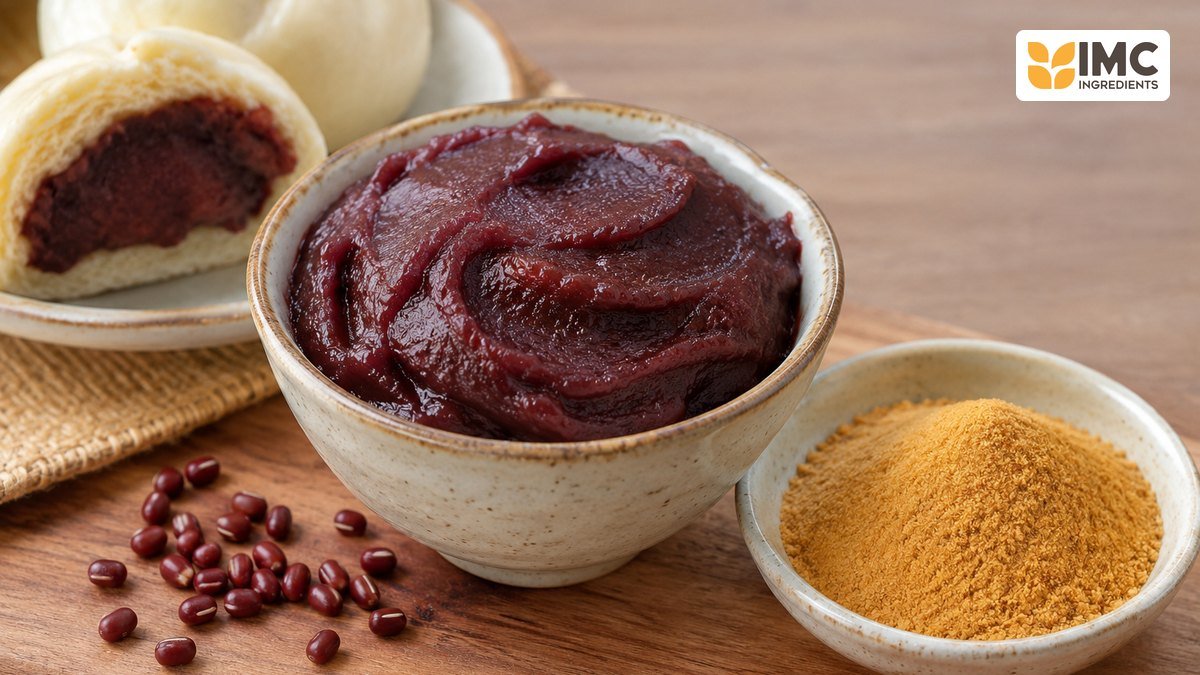
    Quick answer: Red bean paste is made by cooking adzuki beans until soft, then mashing or puréeing them with sugar. Coconut sugar works well because its caramel notes complement the earthy flavour of the beans and its brown colour blends into the dark paste. Add it after the beans are soft and cook until the paste reaches the right thickness.

    Key takeaways – Coconut sugar complements red bean flavour. – Its colour blends into the dark paste. – Add sugar after beans are fully soft. – Cook to the right thickness for each use.

    About red bean paste

    Red bean paste is used across East Asia in buns, pancakes, mochi, pastries, ice cream and drinks. It can be smooth or chunky. Sugar is essential for flavour, texture and keeping quality.

    Basic method

    1. Soak and rinse adzuki beans.
    2. Cook in fresh water until very soft.
    3. Drain, keeping some cooking liquid.
    4. Mash or purée to the desired texture.
    5. Add coconut sugar and a pinch of salt.
    6. Cook and stir until thick.
    7. Cool and store.

    Why add sugar after cooking beans

    Sugar can slow the softening of beans. Adding it after the beans are soft gives a smoother result.

    Texture guide

    Use Texture Cooking target
    Steamed buns Thick, holds shape Cook longer
    Pancakes Spreadable Medium thickness
    Drinks and desserts Softer Shorter cooking
    Pastries Firm Thickest

    Sweetness and flavour

    Coconut sugar gives a rounder, more caramel taste than white sugar. Start with a moderate amount and taste. A little salt brings out the bean flavour.

    Colour

    Red bean paste is already dark, so coconut sugar’s colour is hardly noticeable. It may make the paste slightly browner.

    Storage

    Cool the paste quickly, store in clean containers and refrigerate. For longer storage, many kitchens freeze portions. Producers selling packaged paste must validate shelf life and processing.

    Organic and plant-based

    Red bean paste with coconut sugar is plant-based. Organic versions need organic beans and organic coconut sugar.

    Scaling up for bakeries

    Bakeries that make red bean paste in large batches often use steam kettles with stirrers to prevent scorching. Record the cooking time and final moisture or Brix so each batch has the same texture. Consistent paste makes buns and pastries easier to shape.

    Where does IMC fit?

    PT Integral Mulia Cipta (IMC Group) has produced coconut sugar in Central Java, Indonesia, since 2012. IMC supplies organic and conventional coconut sugar in mesh 50 and mesh 14 to bakeries and Asian food producers.

    FAQ

    When should I add coconut sugar? After the beans are fully soft.

    Will the paste turn darker? Only slightly, as it is already dark.

    How thick should it be for buns? Thick enough to hold its shape.

    Can I freeze red bean paste? Yes, in portions.


    Questions about coconut sugar for your products? PT Integral Mulia Cipta (IMC Group), a Central Java producer since 2012, is happy to help. Email info@organic-coconut-sugar.com or WhatsApp +62 821 1348 5564.
  • Coconut Sugar in Martabak Fillings

    Coconut Sugar in Martabak Fillings

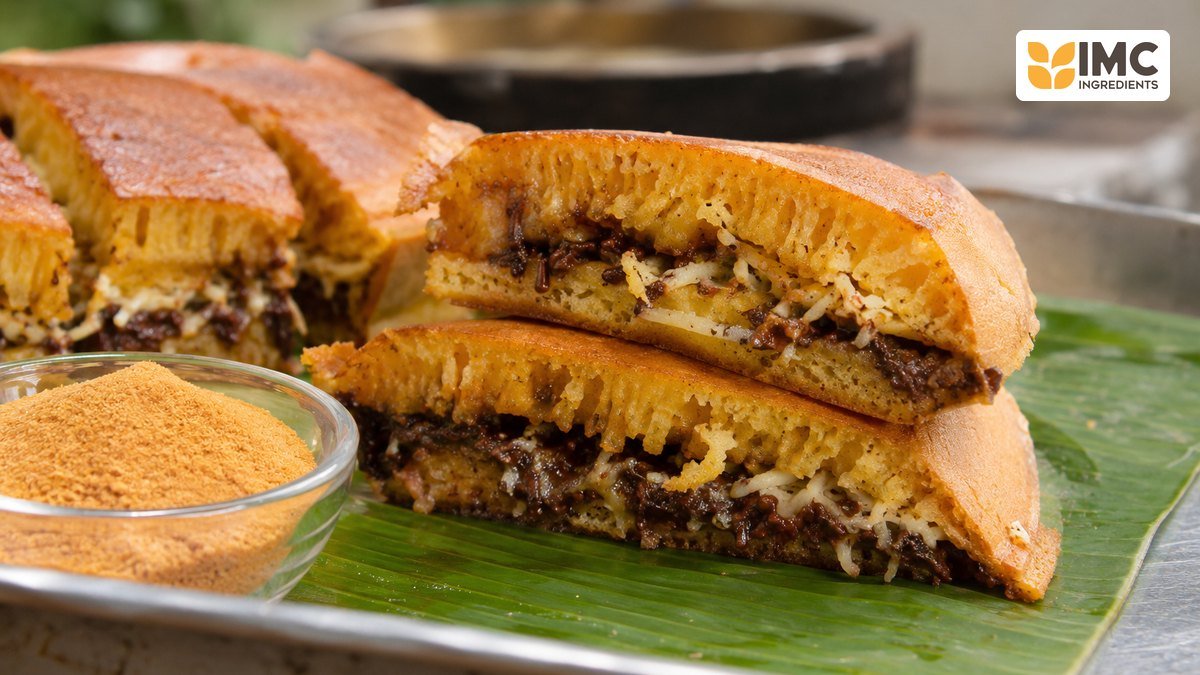
    Quick answer: Sweet martabak is a thick, fluffy Indonesian pancake folded over rich fillings such as chocolate, crushed peanuts, cheese and condensed milk. Coconut sugar can sweeten the batter and add a caramel layer to the filling. Sprinkle mesh 14 over the hot pancake for crunch, or use mesh 50 mixed with crushed peanuts for a smoother filling.

    Key takeaways – Coconut sugar adds caramel notes to martabak. – Use it in the batter, filling or as a crunchy layer. – Mesh 14 gives crunch; mesh 50 blends smoothly. – Works well with peanut, chocolate and banana.

    About sweet martabak

    Sweet martabak, also known by regional names, is a popular evening street food in Indonesia. The batter is poured into a thick pan, cooked until bubbly, then spread with butter and fillings and folded. It is rich, sweet and shared among friends and family.

    Where coconut sugar fits

    Part Use Effect
    Batter Mesh 50 dissolved in the mix Golden colour, light caramel
    Butter layer Sprinkled mesh 14 Crunch and sweetness
    Peanut filling Mixed with crushed peanuts Classic sweet-nutty taste
    Chocolate filling Combined with chocolate sprinkles Deeper flavour
    Banana filling Sprinkled on sliced banana Caramel notes

    Batter tips

    Dissolve coconut sugar in the liquid ingredients before adding flour. Rest the batter so leavening can work. Cook on moderate heat, because the sugar can make the bottom brown quickly.

    Filling tips

    1. Spread butter while the pancake is hot.
    2. Sprinkle coconut sugar evenly.
    3. Add crushed peanuts, chocolate or other fillings.
    4. Fold and press gently.
    5. Cut and serve warm.

    For cafés and vendors

    Prepare peanut and coconut sugar mixtures in advance and store them sealed. Keep coconut sugar away from the hot pan area when not in use, as heat and humidity cause clumping.

    Mini and packaged martabak

    Some businesses sell mini martabak or frozen versions. For packaged products, test texture and shelf life, and label all ingredients and allergens such as peanut, milk and wheat.

    Organic and premium versions

    Premium cafés may use organic flour, organic coconut sugar and quality chocolate. Any organic claim must follow certification rules.

    Creative fillings

    Cafés experiment with fillings such as pandan cream, matcha, cheese with coconut sugar or banana with cinnamon. Coconut sugar’s caramel notes pair well with many of these. Keep each new filling simple to prepare during busy evening service.

    Where does IMC fit?

    PT Integral Mulia Cipta (IMC Group) has produced coconut sugar in Central Java, Indonesia, since 2012. IMC supplies organic and conventional coconut sugar in mesh 50 and mesh 14 to food service and Indonesian food businesses.

    FAQ

    What is sweet martabak? A thick Indonesian pancake folded over sweet fillings.

    Which grade gives crunch? Mesh 14.

    Can coconut sugar go in the batter? Yes, dissolved in the liquid ingredients.

    Which fillings pair best? Peanut, chocolate and banana.


    PT Integral Mulia Cipta (IMC Group) has produced organic coconut sugar in Central Java, Indonesia, since 2012. For specifications or samples, email info@organic-coconut-sugar.com or WhatsApp +62 821 1348 5564.

  • Coconut Sugar in Extruded Snacks

    Coconut Sugar in Extruded Snacks

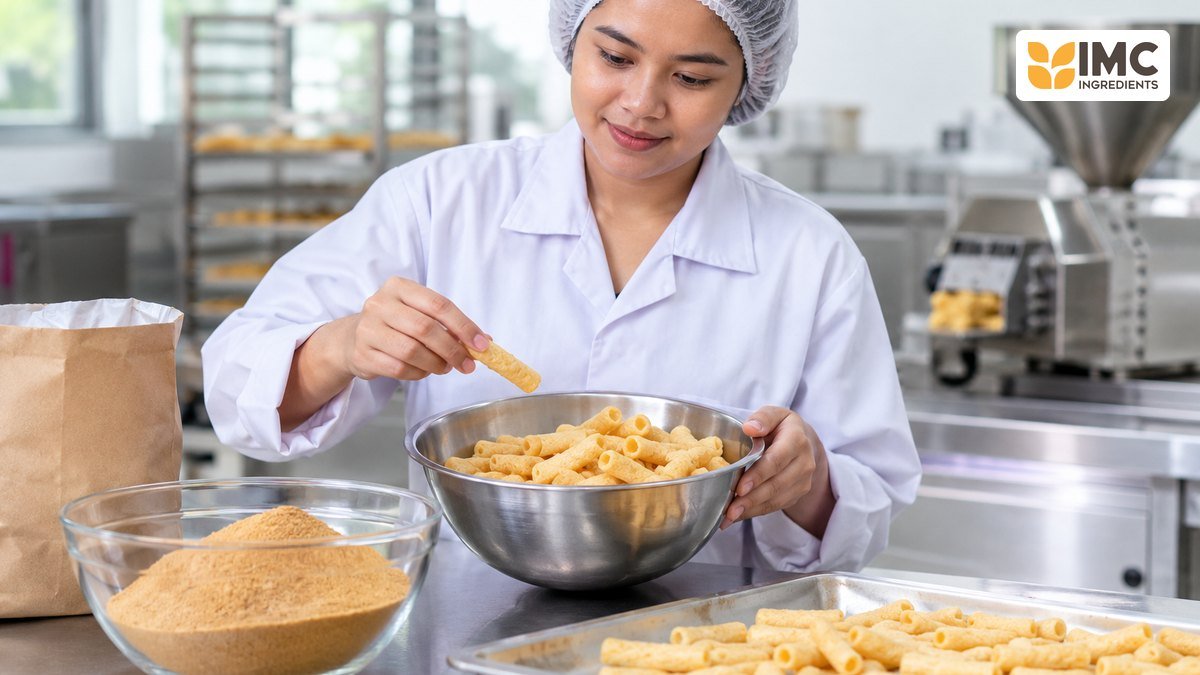
    Quick answer: Coconut sugar can be used in extruded snacks either in the dry mix before extrusion or in a coating after extrusion. In the mix, small amounts add colour and flavour but can reduce expansion and speed browning. In coatings, coconut sugar gives a caramel taste and golden look. Moisture control after coating keeps snacks crisp.

    Key takeaways – Use small amounts in the extruder mix. – Coatings carry most of the sweetness. – Sugar can reduce expansion and increase browning. – Dry and pack coated snacks carefully.

    How extrusion works

    In extrusion, a mix of flour, starch and other ingredients is cooked under heat and pressure inside a barrel, then pushed through a die. When the hot dough leaves the die, water flashes to steam and the product puffs. Sugar affects this process because it competes for water and changes how starch behaves.

    Two ways to add coconut sugar

    Method Effect Notes
    In the dry mix Colour, flavour, some sweetness Can reduce expansion
    In a coating Clear sweetness, caramel look Needs drying
    Both Balanced flavour Test carefully

    Using coconut sugar in the mix

    1. Start with a low level and increase step by step.
    2. Use mesh 50 so it blends evenly with flour.
    3. Watch expansion and texture after each change.
    4. Adjust moisture and temperature if needed.
    5. Check colour, as sugar speeds browning.

    Coating extruded snacks

    A common method is to spray or tumble the puffed pieces with a warm syrup of coconut sugar and water, sometimes with a little oil. The coated snacks are then dried until the coating sets. Dry seasoning with mesh 50 coconut sugar can be dusted on while the coating is still sticky.

    Moisture and crispness

    Sugar coatings attract moisture. Dry the snacks well, cool them in a dry area and pack them quickly in barrier film. Test crispness at the end of shelf life under warm, humid conditions.

    Flavour combinations

    Coconut sugar suits cinnamon, cocoa, peanut, sea salt and vanilla. It also works in sweet and spicy snacks with chilli.

    Organic snacks

    Organic snack brands need certified organic coconut sugar and other organic ingredients. Keep certificates and lot records for each production run.

    Labelling

    Name coconut sugar in the ingredient list and count it as added sugar where required. Avoid health claims.

    Pilot trials

    Extrusion behaves differently at small and large scale. Run pilot trials on equipment similar to the final line before launching. Record settings such as barrel temperature, screw speed and moisture, so the best recipe can be repeated in production.

    Where does IMC fit?

    PT Integral Mulia Cipta (IMC Group) has produced coconut sugar in Central Java, Indonesia, since 2012. IMC supplies organic and conventional coconut sugar in mesh 50 and mesh 14 to snack and cereal manufacturers.

    FAQ

    Can coconut sugar go into the extruder mix? Yes, in small amounts.

    Why did my snacks expand less? Sugar can reduce expansion; lower the level or adjust process settings.

    How are snacks coated? With a warm coconut sugar syrup, then dried.

    How do I keep them crisp? Dry well and use barrier packaging.


    Questions about coconut sugar for your products? PT Integral Mulia Cipta (IMC Group), a Central Java producer since 2012, is happy to help. Email info@organic-coconut-sugar.com or WhatsApp +62 821 1348 5564.
  • Coconut Sugar in Dodol

    Coconut Sugar in Dodol

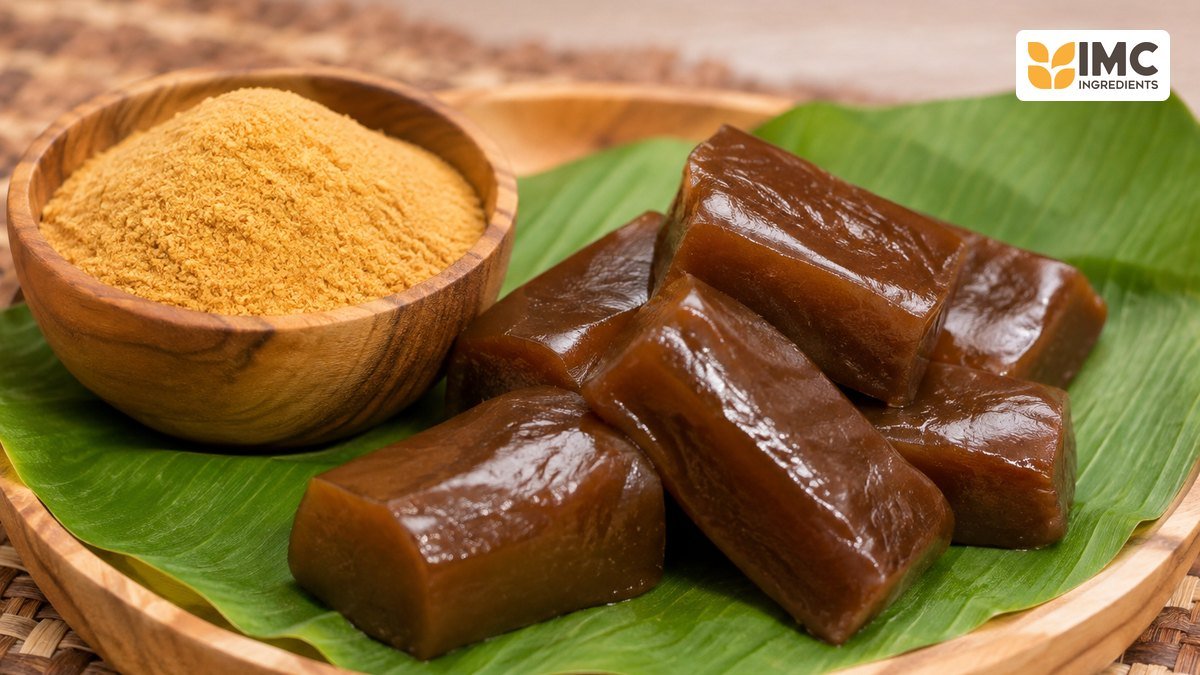
    Quick answer: Dodol is a traditional sticky sweet from Indonesia and nearby countries, made by cooking glutinous rice flour, coconut milk and coconut sugar for a long time until thick and glossy. Coconut sugar gives dodol its dark colour and caramel taste. Constant stirring and patient cooking are key to the right texture.

    Key takeaways – Coconut sugar is a core ingredient in dodol. – Long cooking and constant stirring are needed. – It gives dodol its dark colour and caramel flavour. – Packaging protects texture and shelf life.

    About dodol

    Dodol is often made for festivals and family celebrations. It is cooked in large pans, traditionally stirred for hours by several people taking turns. The result is a chewy, sweet, fudge-like sweet that is cut and wrapped in pieces.

    Main ingredients

    Ingredient Role
    Glutinous rice flour Chewy structure
    Coconut milk Richness and fat
    Coconut sugar Sweetness, colour, flavour
    Salt Balance
    Pandan or durian (optional) Flavour variations

    Cooking stages

    1. Dissolve coconut sugar in some of the coconut milk.
    2. Mix rice flour with the remaining coconut milk.
    3. Combine in a large pan over moderate heat.
    4. Stir constantly to prevent sticking and burning.
    5. Continue cooking until the mixture is thick and pulls away from the pan.
    6. Look for an oily, glossy surface.
    7. Pour into trays, cool and cut.

    Texture tips

    If dodol is too soft, it needs more cooking. If it is too hard, it was cooked too long or with too high heat. Experienced makers judge doneness by colour, gloss and how the mass moves in the pan.

    Packaging

    Dodol is often wrapped in small pieces in food-safe plastic or paper. Good wrapping prevents pieces from sticking and protects them from moisture and air.

    Shelf life

    Dodol’s low water content helps it keep, but coconut milk fat can turn rancid over time. Producers should test shelf life under real storage conditions and label best before dates accordingly.

    For producers

    Mechanical stirring kettles make larger batches easier. Record cooking times, temperatures and batch weights for consistency.

    Organic dodol

    Organic dodol needs organic rice flour, organic coconut milk and organic coconut sugar, with certified processing.

    Gift and export markets

    Dodol is popular as a gift and travel souvenir. For export, check labelling rules, allergen declarations and shelf life requirements in the destination country. Attractive, well-sealed packaging helps the product travel well.

    Where does IMC fit?

    PT Integral Mulia Cipta (IMC Group) has produced coconut sugar in Central Java, Indonesia, since 2012. IMC supplies organic and conventional coconut sugar in mesh 50 and mesh 14 to confectionery and traditional sweet producers.

    FAQ

    What is dodol? A sticky sweet made from rice flour, coconut milk and coconut sugar.

    Why must it be stirred constantly? To prevent sticking and burning.

    How do I know it is done? It is thick, glossy and pulls away from the pan.

    How long does dodol keep? Test shelf life; coconut milk fat can turn rancid.


    Looking for a reliable coconut sugar partner? Contact PT Integral Mulia Cipta (IMC Group) in Central Java, Indonesia: info@organic-coconut-sugar.com or WhatsApp +62 821 1348 5564.

  • Coconut Sugar in Dessert Toppings for Foodservice

    Coconut Sugar in Dessert Toppings for Foodservice

    Quick answer: Coconut sugar makes versatile dessert toppings for restaurants, cafés and catering: crunchy sprinkles, crumble toppings, caramel-style sauces and syrups. Use mesh 14 for crunch, mesh 50 for sauces and crumbles, and prepare toppings in batches that can be stored and portioned quickly during service.

    Key takeaways – Mesh 14 for crunch, mesh 50 for sauces and crumbles. – Batch preparation saves time during service. – Store toppings sealed and dry. – Portion with scoops or pumps for consistency.

    Why toppings matter

    Toppings add texture, flavour and visual appeal. A simple scoop of ice cream or a plain cake becomes a menu item with the right topping. Coconut sugar gives a warm caramel note and an attractive golden look.

    Topping options

    Topping Coconut sugar grade Use
    Crunchy sprinkle Mesh 14 Ice cream, yoghurt, pudding
    Crumble Mesh 50 Fruit desserts, cakes
    Caramel-style sauce Mesh 50 Ice cream, pancakes
    Syrup Mesh 50 Drinks, fruit, waffles
    Brûlée-style crust Mesh 50 Custards, using a torch

    Batch crumble

    Mix flour, oats, cold butter or plant fat and mesh 50 coconut sugar. Rub together, spread on trays and bake until golden. Cool and store sealed. Scatter over desserts during service.

    Caramel-style sauce

    Melt coconut sugar with butter, add cream or coconut milk and simmer until smooth. Add a pinch of salt. Cool and store chilled. Rewarm gently before service.

    Storage

    1. Keep dry toppings in airtight containers.
    2. Store sauces chilled in clean, labelled containers.
    3. Label with preparation date.
    4. Follow your kitchen’s use-by rules.

    Portion control

    Use scoops for dry toppings and pumps or ladles for sauces. Write portion sizes on plating guides. This keeps desserts consistent and controls costs.

    Allergen notes

    Crumbles may contain wheat and butter; sauces may contain dairy. Label preparations clearly and inform guests about allergens.

    Menu wording

    Menus can mention coconut sugar crumble or coconut sugar caramel. Keep wording factual and avoid health claims.

    Seasonal variations

    Add cinnamon and ginger to crumbles in colder months, or citrus zest and toasted coconut flakes in summer. Small changes keep the dessert menu fresh without new equipment or complex preparation.

    Costing toppings

    Weigh each topping portion and include it in the dessert’s recipe cost. Coconut sugar usually costs more than white sugar, so accurate portions protect margins while keeping the quality guests expect.

    Where does IMC fit?

    PT Integral Mulia Cipta (IMC Group) has produced coconut sugar in Central Java, Indonesia, since 2012. IMC supplies organic and conventional coconut sugar in mesh 50 and mesh 14 to food service distributors.

    FAQ

    Which grade is best for crunchy toppings? Mesh 14.

    Can I make caramel sauce with coconut sugar? Yes, with butter and cream or coconut milk.

    How should crumble be stored? Airtight, in a dry place.

    How do I keep portions consistent? Use scoops, pumps and plating guides.


    Looking for a reliable coconut sugar partner? Contact PT Integral Mulia Cipta (IMC Group) in Central Java, Indonesia: info@organic-coconut-sugar.com or WhatsApp +62 821 1348 5564.

  • Coconut Sugar in Compotes

    Coconut Sugar in Compotes

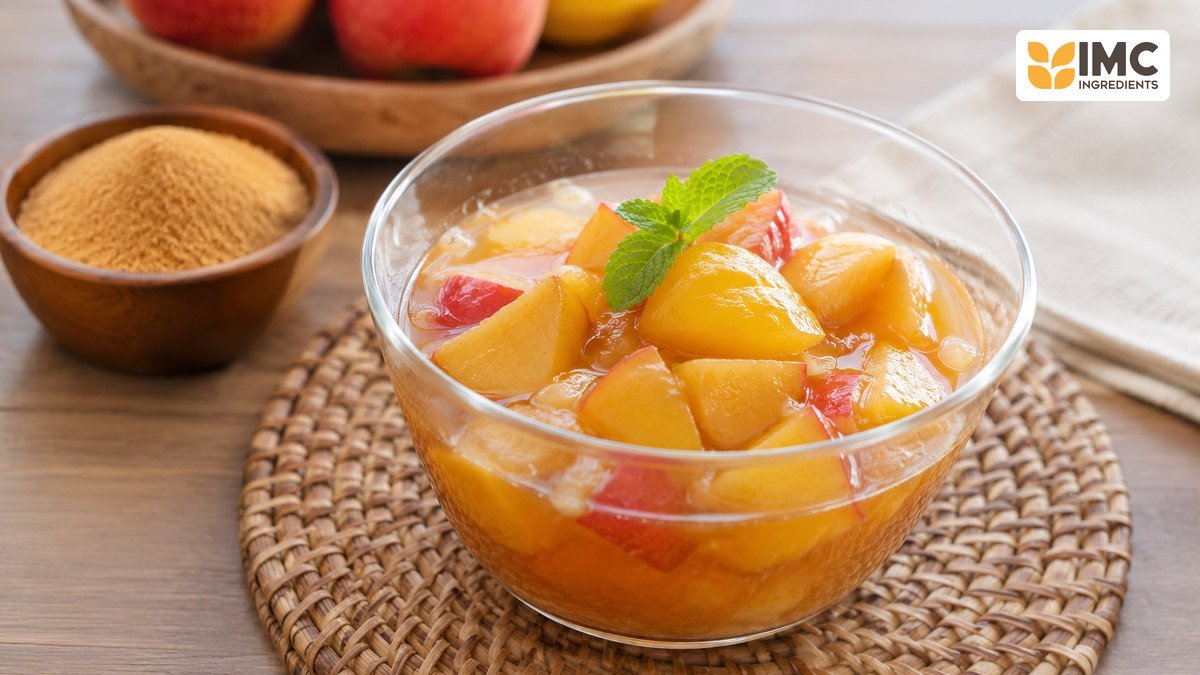
    Quick answer: A compote is fruit gently cooked with a little sugar and liquid until soft. Coconut sugar works well in compotes, adding caramel notes that suit apples, pears, plums, berries and stone fruit. Use a moderate amount, dissolve it in the cooking liquid first and cook gently so the fruit keeps some shape.

    Key takeaways – Coconut sugar suits most compote fruits. – Dissolve it in liquid before adding fruit. – Cook gently to keep pieces whole. – Store chilled and use within a short time.

    What makes a compote

    A compote is less sweet and less thick than jam. The fruit stays in pieces and sits in a light syrup. It is served with yoghurt, porridge, pancakes, cakes or desserts.

    Fruit pairings

    Fruit Pairing ideas Note
    Apple Cinnamon, clove Classic and mild
    Pear Ginger, vanilla Elegant flavour
    Plum Star anise Deep colour hides sugar tint
    Berries Lemon zest Bright and tangy
    Apricot Cardamom Warm and fragrant
    Mango Lime Tropical flavour

    Basic method

    1. Dissolve coconut sugar in a small amount of water or juice.
    2. Add spices if you like.
    3. Add fruit pieces.
    4. Simmer gently until the fruit softens.
    5. Add lemon juice to balance sweetness.
    6. Cool and store in clean jars.

    How much sugar

    Compotes usually need less sugar than jams. Start with a small amount, taste after cooking and adjust. Ripe fruit may need very little extra sweetness.

    Colour considerations

    Coconut sugar gives a brown tint to the syrup. With dark fruits like plums and berries, this is hardly visible. With light fruits like pears and apples, the syrup becomes amber, which many people find attractive.

    For cafés and food producers

    Cafés can make compote in batches for breakfast and dessert menus. Food producers selling compote in jars must validate the process, including heat treatment, pH and shelf life, with a food technologist.

    Organic compotes

    Organic compotes need certified organic fruit and organic coconut sugar. Keep records of suppliers and lots.

    Storage

    Home and café compotes should be cooled quickly and kept chilled. Use a clean spoon each time and follow your own food safety rules on use-by times.

    Serving ideas

    Spoon warm compote over pancakes or waffles, layer it with yoghurt and granola, or serve it beside a slice of plain cake. A spoonful of compote also works well on porridge in the morning.

    Where does IMC fit?

    PT Integral Mulia Cipta (IMC Group) has produced coconut sugar in Central Java, Indonesia, since 2012. IMC supplies organic and conventional coconut sugar in mesh 50 and mesh 14 to food producers and food service businesses.

    FAQ

    Is compote the same as jam? No, it is less sweet and keeps fruit in pieces.

    Which fruits work best? Apples, pears, plums, berries and stone fruit.

    Will the syrup be brown? Light brown or amber, especially with pale fruit.

    How long does compote keep? Store chilled and follow your food safety rules.


    Looking for a reliable coconut sugar partner? Contact PT Integral Mulia Cipta (IMC Group) in Central Java, Indonesia: info@organic-coconut-sugar.com or WhatsApp +62 821 1348 5564.

  • Coconut Sugar in Breakfast at Home

    Coconut Sugar in Breakfast at Home

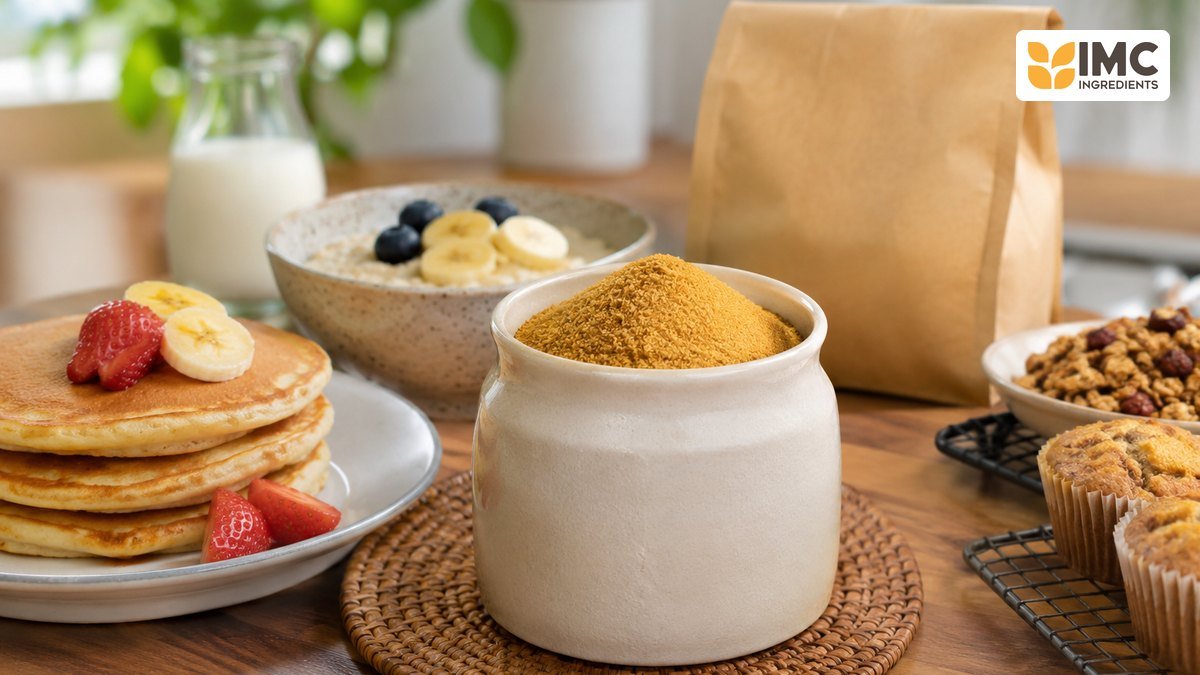
    Quick answer: At home, coconut sugar is an easy swap for white or brown sugar at breakfast. Sprinkle it on porridge or yoghurt, stir it into coffee or tea, use it in pancake batter or mix it with cinnamon for toast. It adds a caramel flavour. Keep it in a sealed jar so it stays free-flowing.

    Key takeaways – Use it like white or brown sugar, 1:1 by weight. – It adds caramel notes to simple breakfast foods. – Fine granules dissolve quickly in hot drinks. – Store sealed to prevent clumping.

    Why try coconut sugar at breakfast

    Breakfast is often where people first try a new sweetener. Coconut sugar’s caramel and toffee taste suits warm, comforting foods. It is plant-based, so it works for vegan breakfasts too. As with all sugars, it is best used in moderation.

    Easy breakfast ideas

    Breakfast item How to use coconut sugar
    Porridge or oatmeal Sprinkle on top or stir in while cooking
    Yoghurt and fruit Light sprinkle for crunch and sweetness
    Toast Mix with cinnamon and butter
    Pancakes or waffles Add to batter or make a quick syrup
    Coffee and tea Stir in like regular sugar
    Smoothies Blend a small amount with fruit
    Granola Use in homemade clusters

    Quick coconut sugar syrup

    Heat equal weights of coconut sugar and water in a small pan, stirring until dissolved. Cool and pour over pancakes, waffles or fruit. Keep leftovers in a clean jar in the refrigerator and use within a short time.

    Cinnamon coconut sugar

    Mix coconut sugar with ground cinnamon and keep it in a small shaker. It is quick to sprinkle on toast, porridge or fruit. You can add a little cardamom or nutmeg for variety.

    Measuring tips

    Coconut sugar granules can vary in size, so the same spoon may hold slightly different amounts. For baking, weighing is best. For breakfast toppings, start with a small amount and adjust to taste.

    Storage at home

    Keep coconut sugar in an airtight jar in a cool, dry cupboard. Avoid storing it above the kettle or stove, where steam can make it clump. Always use a dry spoon. If lumps form, break them up with a fork or a quick pulse in a dry blender.

    Fine or coarse?

    Fine coconut sugar dissolves quickly in hot drinks and batters. Coarser coconut sugar gives a nice crunch on yoghurt or toast. Many households keep one jar of each.

    Breakfast for guests

    When guests visit, a small bowl of coconut sugar on the table looks attractive and gives a talking point. Place a spoon in the bowl and keep the lid nearby to protect it from moisture between uses.

    Where does IMC fit?

    PT Integral Mulia Cipta (IMC Group) has produced coconut sugar in Central Java, Indonesia, since 2012. IMC supplies organic and conventional coconut sugar in mesh 50 and mesh 14 to brands and distributors that pack it for home use.

    FAQ

    Can I use coconut sugar in coffee? Yes, it dissolves like regular sugar.

    How do I make a quick syrup? Heat equal weights of coconut sugar and water until dissolved.

    Why does my coconut sugar clump? It absorbs moisture; store it sealed and away from steam.

    Is it a 1:1 swap? Yes, by weight for white or brown sugar.


    PT Integral Mulia Cipta (IMC Group) has produced organic coconut sugar in Central Java, Indonesia, since 2012. For specifications or samples, email info@organic-coconut-sugar.com or WhatsApp +62 821 1348 5564.

  • Coconut Sugar in Bottled Sauces for Retail

    Coconut Sugar in Bottled Sauces for Retail

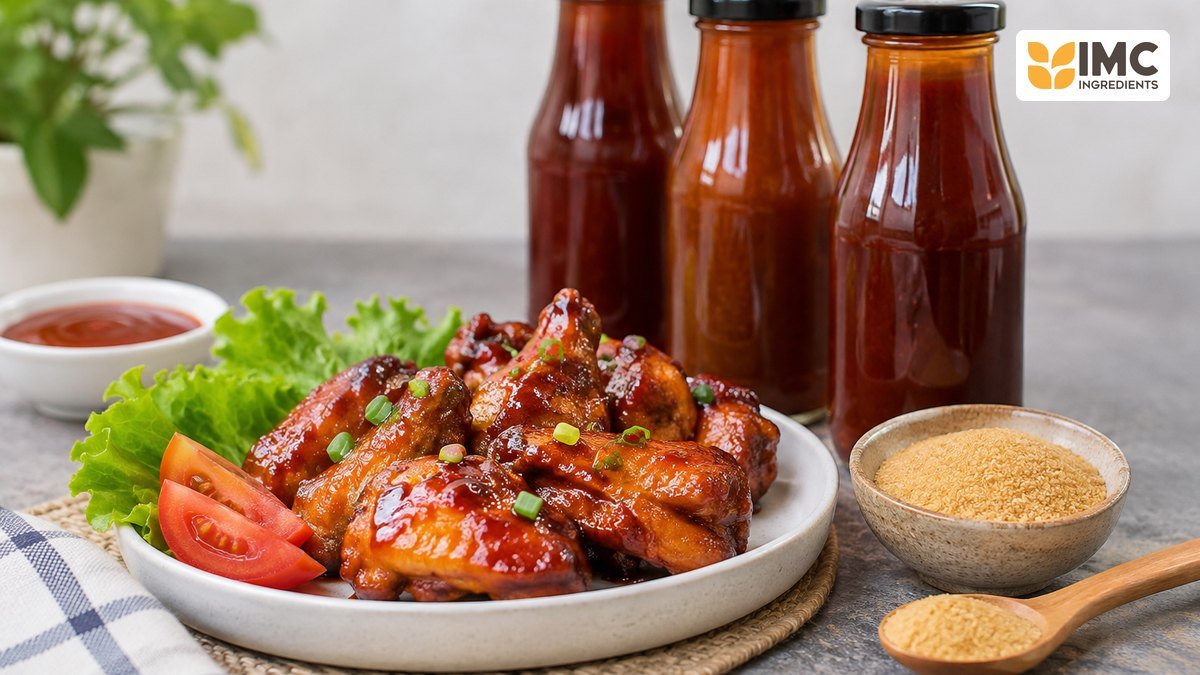
    Quick answer: Coconut sugar works in many bottled sauces, including barbecue, teriyaki-style, peanut, chilli and stir-fry sauces. It adds sweetness, caramel notes and colour. For retail, sauce makers must control Brix, pH, viscosity and heat treatment, and test shelf life to make sure the sauce stays safe and consistent.

    Key takeaways – Coconut sugar suits many savoury and sweet sauces. – Measure Brix, pH and viscosity for every batch. – Heat treatment can deepen colour. – Validate shelf life before launch.

    Why sauce brands choose coconut sugar

    Coconut sugar gives a distinctive caramel depth that suits Asian and barbecue-style sauces. Some brands highlight it on the label as part of a less refined ingredient story. As with any sugar, claims should stay factual.

    Formulation points

    Parameter Why it matters
    Brix Sweetness and consistency
    pH Safety and shelf stability
    Viscosity Pourability and mouthfeel
    Colour Consumer expectation
    Salt Taste balance

    Dissolving and mixing

    Use mesh 50 coconut sugar for fast dissolving. Add it to the liquid phase early in heating. Stir until fully dissolved before adding thickeners.

    Heat treatment and colour

    Hot filling, pasteurisation or retorting can darken sauces made with coconut sugar. Run trials at the real process conditions and check colour after processing and during storage.

    Shelf life testing

    1. Define storage conditions and target shelf life.
    2. Store samples at normal and accelerated conditions.
    3. Check taste, colour, viscosity and microbiology at set intervals.
    4. Confirm that pH and other safety factors stay in range.
    5. Record results and set the best before date.

    Labelling

    Name coconut sugar in the ingredient list. Declare allergens such as soy, sesame, peanut or fish where present. Count coconut sugar as added sugar where rules require it.

    Organic sauces

    Organic sauces need certified organic ingredients, including coconut sugar, and certified production. Keep lot records for traceability.

    Scaling from kitchen to factory

    Recipes developed in a kitchen often need adjustments in a factory, because large kettles heat and cool differently. Run pilot batches and compare them with the kitchen standard for taste, colour and thickness before full production.

    Working with co-packers

    Many sauce brands use co-packers to produce their sauces. Share a clear specification for coconut sugar, including grade, organic status and approved suppliers. Ask the co-packer to record lot numbers so every batch of sauce can be traced back to its ingredients.

    Where does IMC fit?

    PT Integral Mulia Cipta (IMC Group) has produced coconut sugar in Central Java, Indonesia, since 2012. IMC supplies organic and conventional coconut sugar in mesh 50 and mesh 14 to sauce and condiment manufacturers.

    FAQ

    Which sauces suit coconut sugar? Barbecue, teriyaki-style, peanut, chilli and stir-fry sauces.

    Why measure pH? It is key to safety and shelf stability.

    Will heat treatment change the colour? It can deepen it; test under real conditions.

    Is coconut sugar added sugar? In many markets, yes.


    PT Integral Mulia Cipta (IMC Group) has produced organic coconut sugar in Central Java, Indonesia, since 2012. For specifications or samples, email info@organic-coconut-sugar.com or WhatsApp +62 821 1348 5564.

  • Coconut Sugar in Balsamic-Style Glazes

    Coconut Sugar in Balsamic-Style Glazes

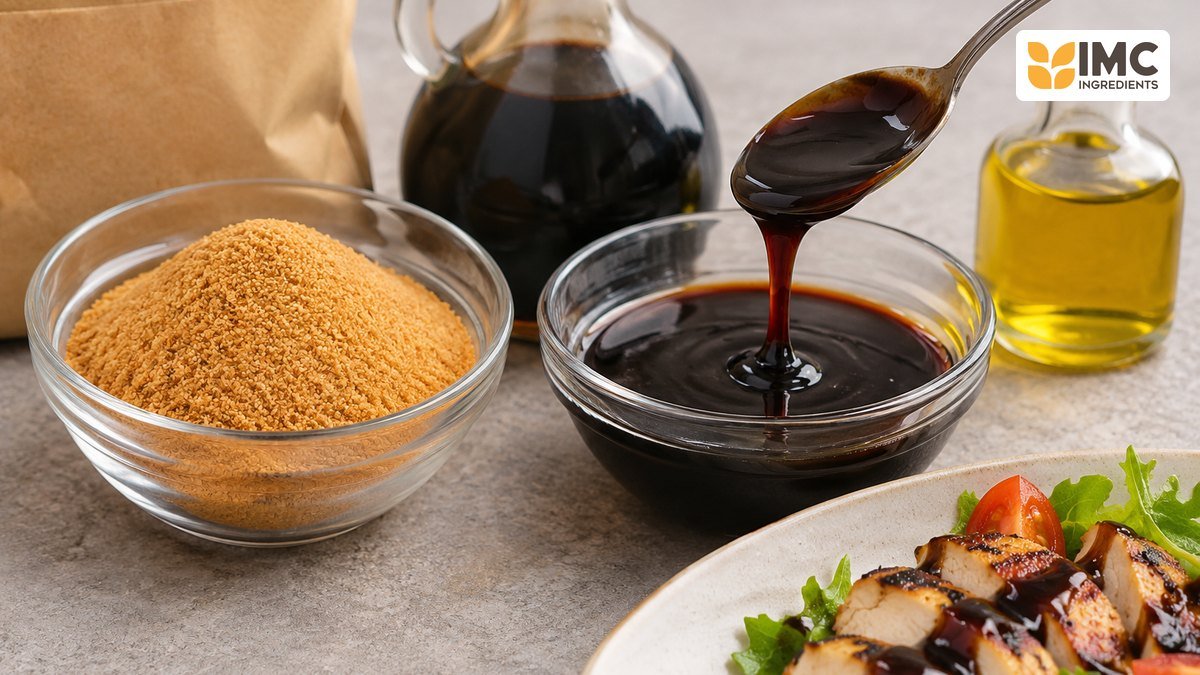
    Quick answer: A balsamic-style glaze is vinegar reduced with sugar until thick and glossy. Coconut sugar suits these glazes well because its caramel notes match the dark, fruity character of balsamic-style vinegar. Dissolve it in the vinegar, simmer gently until reduced and stop before it becomes too thick, as it thickens further as it cools.

    Key takeaways – Coconut sugar matches the dark flavour of balsamic-style vinegar. – Reduce gently to avoid burning. – The glaze thickens as it cools. – Works on salads, vegetables, cheese and desserts.

    What is a balsamic-style glaze

    A glaze, sometimes called a reduction, is used to drizzle over dishes for a sweet-sour finish. Commercial glazes may contain grape must, vinegar, sugar and thickeners. Home and restaurant versions are often simply vinegar and sugar reduced on the stove.

    Basic method

    1. Combine vinegar and coconut sugar in a pan.
    2. Stir over low heat until the sugar dissolves.
    3. Simmer gently, stirring now and then.
    4. Reduce until it coats the back of a spoon.
    5. Cool and store in a clean bottle.

    Ratio guide

    Style Sugar level Result
    Tangy Low Sharp, thinner glaze
    Balanced Medium Classic sweet-sour
    Sweet High Thick, dessert-style

    Taste as you go and adjust to your dish.

    Avoiding common problems

    • Too thick: add a little warm water and stir.
    • Burnt taste: heat was too high; start again with gentler heat.
    • Too sharp: add a little more coconut sugar.
    • Crystals forming: store at room temperature and use clean bottles.

    Uses

    Drizzle the glaze over salads, roasted vegetables, grilled fruit, cheese plates, pizza, or vanilla ice cream. It also works as a finishing glaze for roasted tofu or mushrooms.

    For food producers

    Bottled glazes need consistent viscosity, acidity and sweetness. Producers measure Brix, pH and viscosity and validate shelf life. Some use thickeners to control texture. Ingredient labels must list all components.

    Organic glazes

    Organic glazes require organic vinegar and organic coconut sugar, with certified processing.

    Flavour variations

    Add rosemary, thyme or orange peel while reducing, then strain. A little chilli gives a sweet-hot glaze for grilled foods. For a fruity version, reduce the vinegar with a small amount of berry purée.

    Storing homemade glaze

    Keep the cooled glaze in a clean, closed bottle. Many kitchens store it at room temperature for short periods, but follow your own food safety rules.

    Where does IMC fit?

    PT Integral Mulia Cipta (IMC Group) has produced coconut sugar in Central Java, Indonesia, since 2012. IMC supplies organic and conventional coconut sugar in mesh 50 and mesh 14 to sauce and condiment makers.

    FAQ

    Why use coconut sugar in a glaze? Its caramel notes match balsamic-style vinegar.

    How do I know when it is ready? When it coats the back of a spoon.

    What if it becomes too thick? Add a little warm water.

    Can I make an organic version? Yes, with organic vinegar and organic coconut sugar.


    Questions about coconut sugar for your products? PT Integral Mulia Cipta (IMC Group), a Central Java producer since 2012, is happy to help. Email info@organic-coconut-sugar.com or WhatsApp +62 821 1348 5564.
  • Coconut Sugar in Apple Butter

    Coconut Sugar in Apple Butter

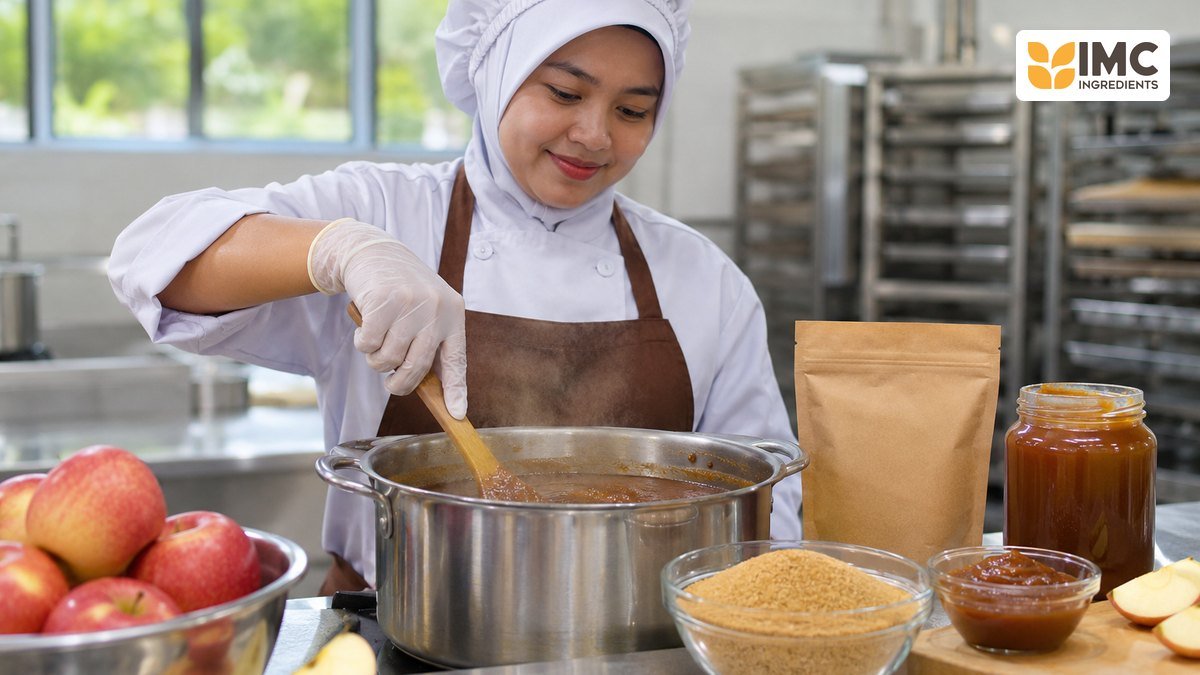
    Quick answer: Apple butter is a thick, smooth spread made by cooking apples slowly until they become dark and concentrated. Coconut sugar suits apple butter because its caramel notes deepen the cooked apple flavour and its colour matches the dark spread. Add it partway through cooking, along with spices, and reduce until thick.

    Key takeaways – Coconut sugar deepens cooked apple flavour. – Its colour fits the dark spread. – Slow cooking is the key step. – Jarring for sale requires a validated process.

    What is apple butter

    Despite its name, apple butter contains no butter. It is apples cooked down for a long time until they caramelise and turn into a spread. It is used on toast, in baking, with cheese and as a filling.

    Basic method

    1. Peel, core and chop apples.
    2. Cook with a little water or juice until soft.
    3. Purée until smooth.
    4. Add coconut sugar, cinnamon and other spices.
    5. Cook slowly, stirring, until thick and dark.
    6. Check thickness by placing a spoonful on a cold plate.
    7. Jar or store chilled.

    Spice ideas

    Spice Flavour effect
    Cinnamon Classic warmth
    Clove Deep, aromatic
    Nutmeg Soft spice
    Ginger Gentle heat
    Vanilla Smooth sweetness

    Sugar level

    Apple butter often needs less sugar than jam, because long cooking concentrates the apples’ own sweetness. Taste before adding the full amount of coconut sugar.

    Slow cooker and oven methods

    Apple butter can be made in a slow cooker or a low oven, which reduces the need for constant stirring. Leave the lid partly open so moisture can escape.

    Jarring and storage

    Home and café batches should be stored chilled. Producers selling jars must follow a validated process for heat treatment, pH and shelf life, often with guidance from a food technologist.

    Organic apple butter

    Organic apple butter needs organic apples, organic coconut sugar and certified processing.

    Uses in baking

    Apple butter can replace part of the fat or sugar in some cakes and muffins, adding moisture and flavour. Test each recipe, because it changes texture and colour.

    Serving ideas

    Serve apple butter with cheese boards, on warm scones or swirled into yoghurt. It also works as a glaze for roasted vegetables when thinned with a little water or juice.

    Choosing apples

    Mixed apple varieties give the best flavour. Sweet apples bring body, while tart apples add freshness. Soft, very ripe apples cook down quickly and are a good way to use fruit that is not perfect for eating.

    Where does IMC fit?

    PT Integral Mulia Cipta (IMC Group) has produced coconut sugar in Central Java, Indonesia, since 2012. IMC supplies organic and conventional coconut sugar in mesh 50 and mesh 14 to spread and preserve makers.

    FAQ

    Does apple butter contain butter? No, it is a cooked apple spread.

    When should coconut sugar be added? After puréeing, during slow cooking.

    How do I check thickness? Place a spoonful on a cold plate.

    Can it be made in a slow cooker? Yes, with the lid partly open.


    IMC Group (PT Integral Mulia Cipta) supplies fine-granule organic coconut sugar from Central Java to food companies worldwide. Talk to our team: info@organic-coconut-sugar.com or WhatsApp +62 821 1348 5564.