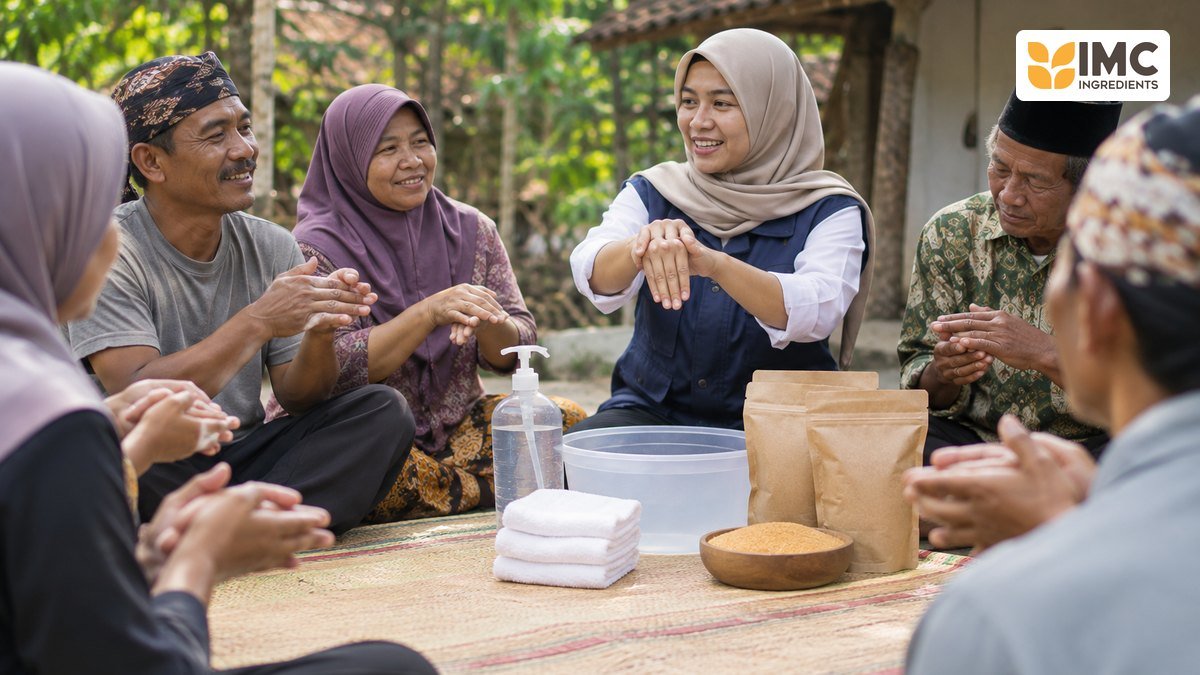
Quick answer: Daily hygiene habits protect both the product and the people who make it. Handwashing, clean work clothes, hair covering, clean work areas and reporting illness prevent contamination of food and reduce the spread of illness among workers. Habits stick when facilities are convenient, rules are clear and supervisors lead by example.
Key takeaways – Hygiene protects product safety and worker health. – Convenient facilities make good habits easier. – Clear routines turn rules into habits. – Supervisors’ behaviour sets the standard.
Two goals, one set of habits
Hygiene in food factories is often seen only as protecting the product. But the same habits also protect workers. Washing hands reduces the spread of germs between colleagues. Clean break areas and toilets support health. Reporting illness protects co-workers as well as consumers.
Core habits
| Habit | Protects product | Protects people |
|---|---|---|
| Handwashing | Prevents contamination | Reduces illness spread |
| Clean clothing | Prevents foreign matter | Keeps workers comfortable |
| Hair covering | Prevents hair in product | Safety near machines |
| Clean workstations | Prevents cross-contamination | Reduces slips and hazards |
| Illness reporting | Prevents contamination | Protects colleagues |
Making it easy
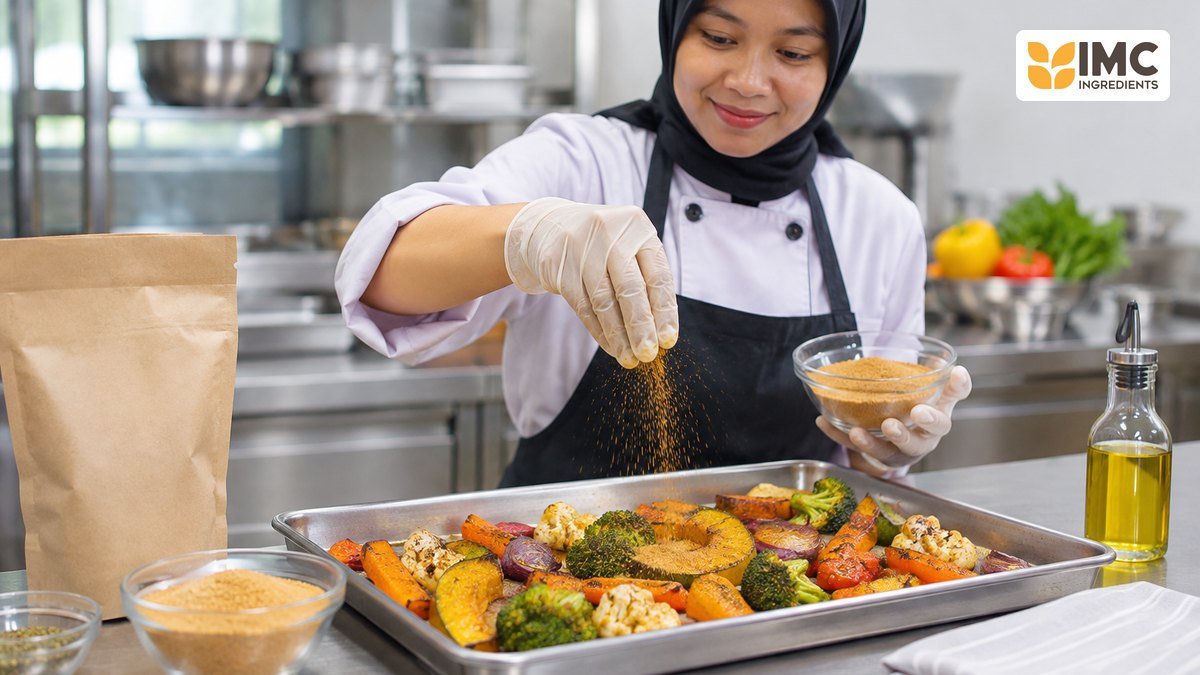
Handwashing stations should be at entrances to production, near toilets and break areas, with soap, clean water and drying options always available. Changing rooms should have enough space and storage. Clean work clothes should be provided and laundered regularly.
Building routines
- Wash hands every time you enter production.
- Change into work clothes before entering.
- Check hair covering in a mirror.
- Clean your workstation at the end of each task.
- Report symptoms before starting work.
Routines repeated daily become habits.
Role of supervisors
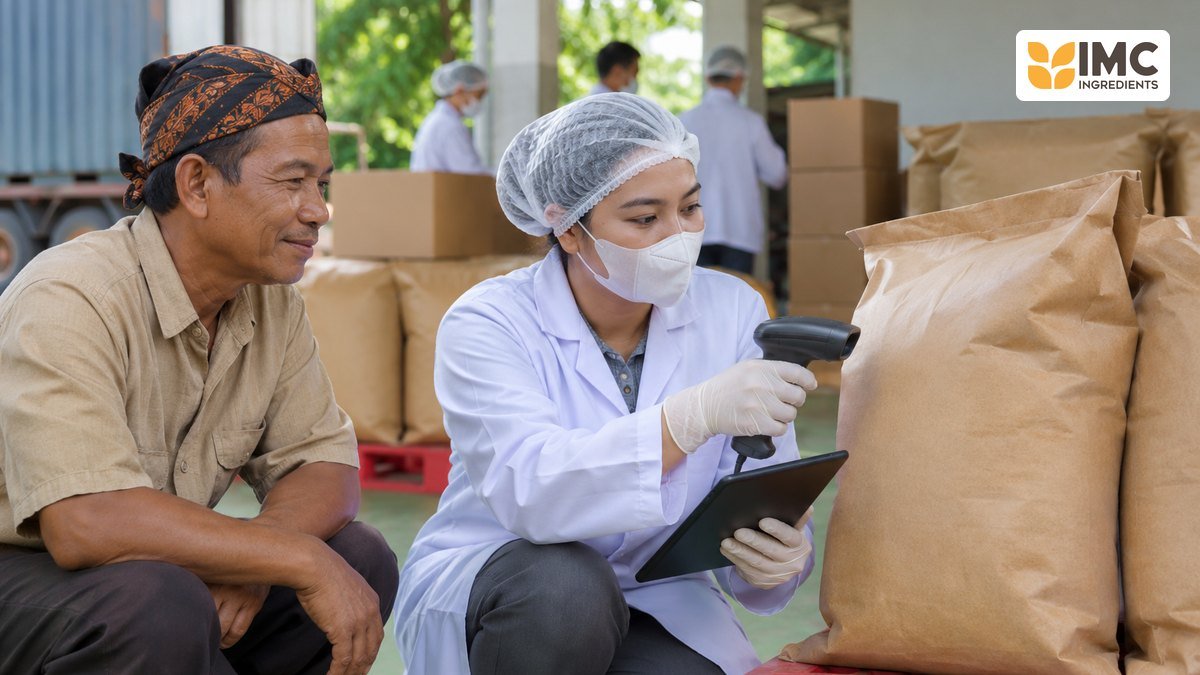
Supervisors should follow every rule themselves, check hygiene at shift start and give friendly reminders. Recognising good practice encourages others.
Training
Short, visual training sessions in the local language explain the reasons behind each rule. When workers understand why, they are more likely to follow rules consistently.
Illness policy
Workers should be able to report illness without losing pay or their job. Otherwise, they may hide symptoms, which risks both product and colleagues.
Monitoring
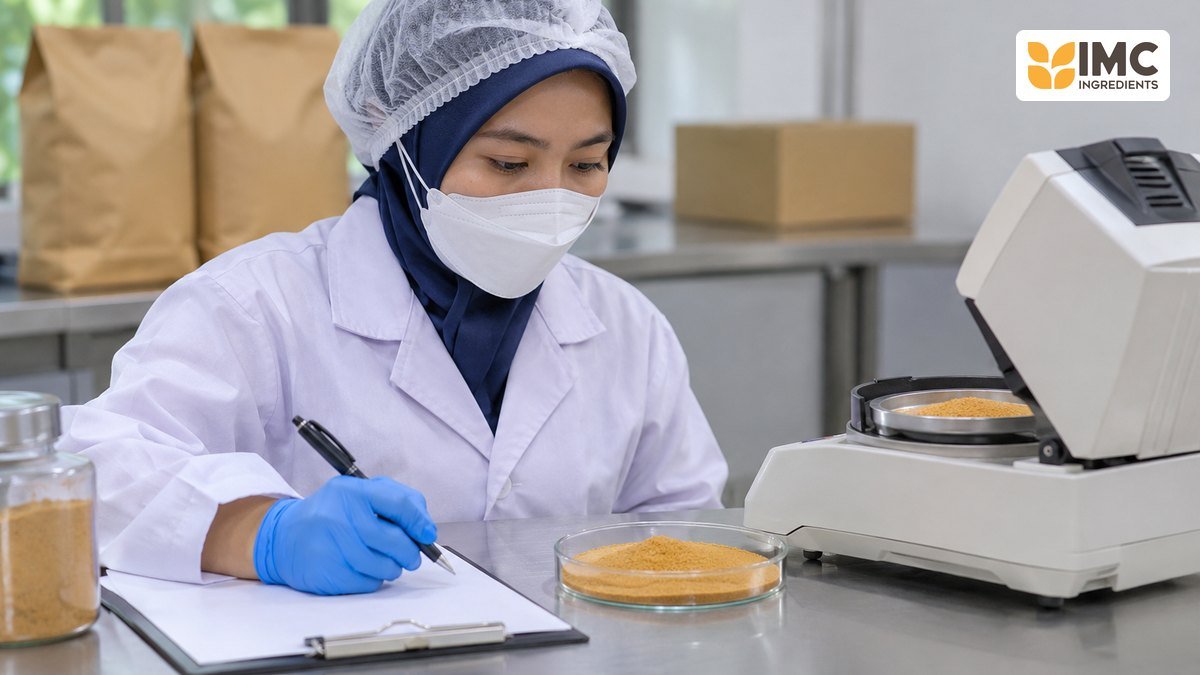
Hygiene inspections, hand swabs and observations show whether habits are followed. Results should be shared and used to improve facilities or training.
Visitors and new workers
Visitors and new workers are most likely to forget hygiene rules because routines are new to them. A clear entrance briefing, visible signs and an experienced buddy for new staff help. Visitors should follow the same handwashing and clothing rules as workers. Making hygiene part of the first day sets the tone for everything that follows.
Where does IMC fit?
PT Integral Mulia Cipta (IMC Group) has produced coconut sugar in Central Java, Indonesia, since 2012. Since 2025, IMC’s GIZ develoPPP partnership has supported training, safer work, organic certification and dwarf coconut.
FAQ
Who does hygiene protect? Both the product and the workers.
What makes handwashing easier? Convenient, well-stocked stations.
Why explain reasons for rules? Understanding improves consistency.
Should workers report illness? Yes, without fear of losing pay or their job.
PT Integral Mulia Cipta (IMC Group) has produced organic coconut sugar in Central Java, Indonesia, since 2012. For specifications or samples, email info@organic-coconut-sugar.com or WhatsApp +62 821 1348 5564.