Quick answer: Organic food remains an established category in many markets, supported by shoppers who look for certified production methods and simple ingredients. Natural sweeteners such as organic coconut sugar, cane sugar, maple syrup and honey are used in organic snacks, cereals, drinks and baking products. Brands need certified ingredients, clear labelling and stable supply.
Key takeaways – Organic products require certified ingredients across the chain. – Natural sweeteners are widely used in organic ranges. – Demand drivers include ingredient transparency and origin. – Market data should be read carefully, with sources named.
What drives organic demand
Shoppers choose organic products for many reasons, including interest in farming methods, ingredient lists and origin. Retailers have expanded organic own-label ranges, making organic products more widely available. Demand varies by country, income level and product category.
Where natural sweeteners fit
| Organic category | Typical sweetener use |
|---|---|
| Breakfast cereals and granola | Coconut sugar, cane sugar, syrups |
| Snack bars | Syrups and granulated sugars |
| Drinks | Syrups, sugar |
| Baking mixes | Granulated sugars |
| Sauces and dressings | Sugars, fruit concentrates |
| Retail baking sugars | Organic coconut sugar, cane sugar |
Why brands choose coconut sugar
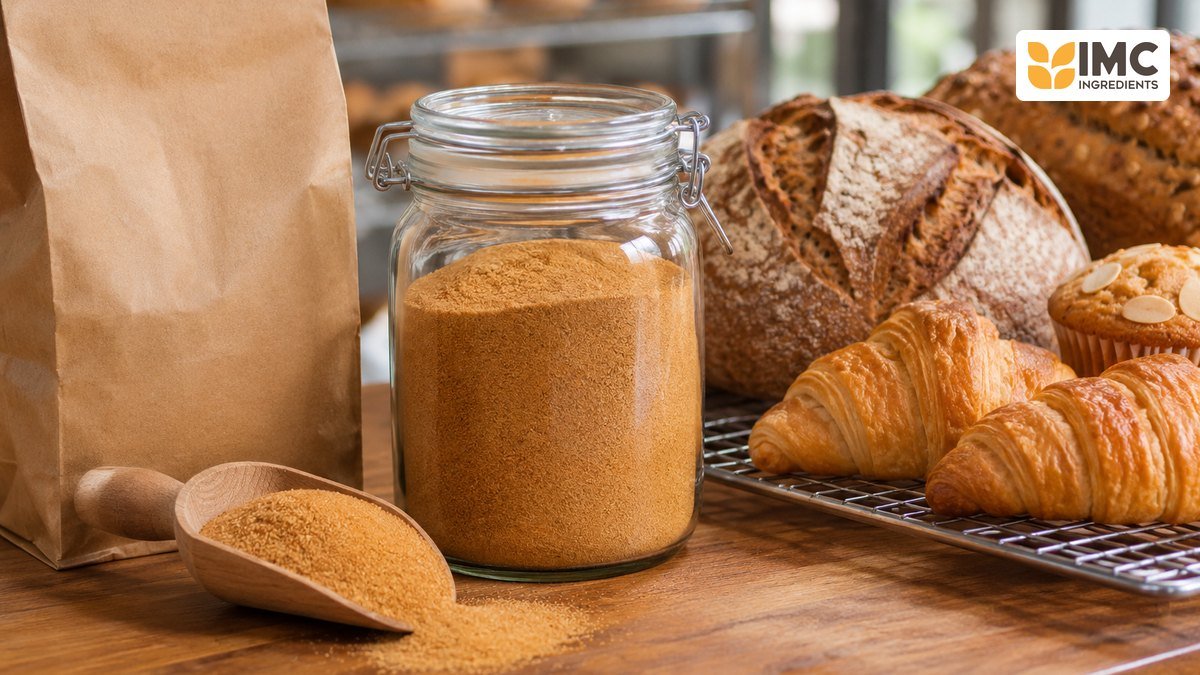
Organic coconut sugar offers caramel notes and a distinct origin story. It can be used in many recipes as a replacement for brown or white sugar. Brands often highlight it in ingredient lists and product names.
Certification requirements
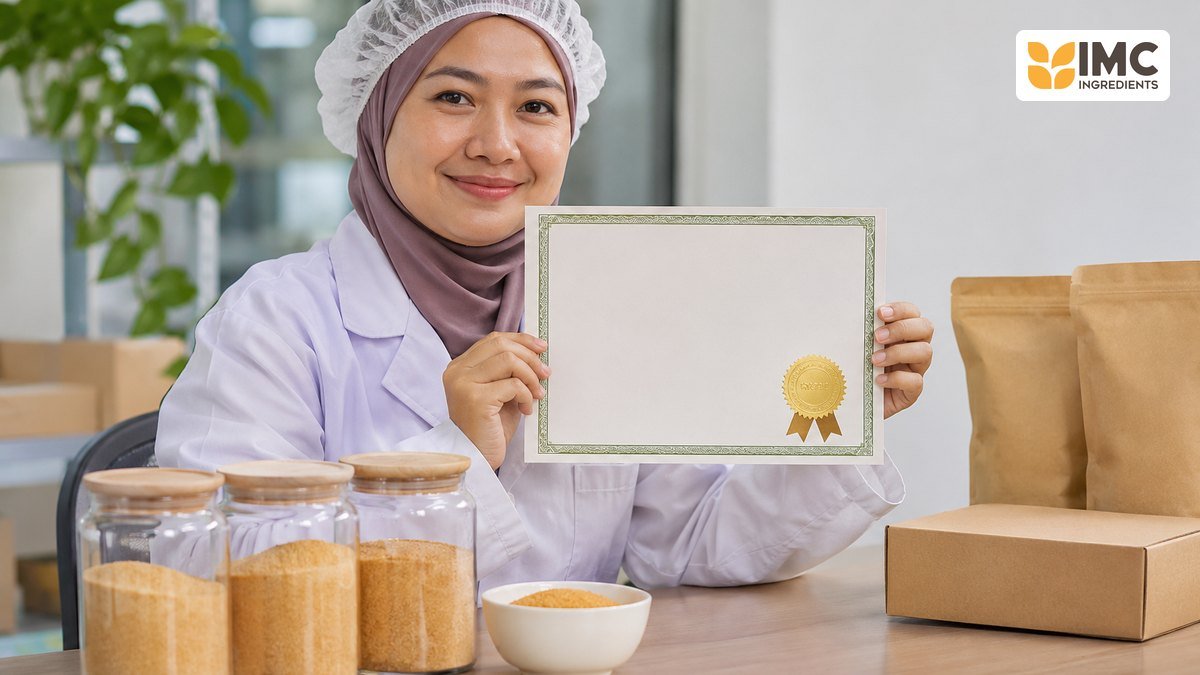
Every ingredient in a certified organic product must meet the organic rules of the target market, with some exceptions for small amounts of non-organic ingredients where allowed. Brands need valid organic certificates and transaction documents from suppliers.
Reading market data
Market reports give different figures depending on definitions and methods. When quoting a trend or market size, name the source and year, and avoid treating forecasts as certain.
Challenges
- Ensuring organic integrity in long supply chains.
- Price differences compared with conventional ingredients.
- Supply stability for smaller-volume ingredients.
- Changing regulations in different markets.
Opportunities for suppliers
Suppliers with reliable certification, traceability and consistent quality are well placed to serve organic brands. Clear documentation and responsive communication matter.
Questions brands ask organic suppliers
Organic brands often ask suppliers about certification scope, the certifier’s name, how organic and conventional products are kept separate, and how traceability works back to farmer groups. They may also ask about residue testing and how often it is done. Clear, consistent answers and up-to-date certificates help suppliers move quickly through brand approval processes.
Where does IMC fit?
PT Integral Mulia Cipta (IMC Group) has produced coconut sugar in Central Java, Indonesia, since 2012. IMC supplies organic and conventional coconut sugar in mesh 14 and mesh 50. Since 2025, its GIZ develoPPP partnership has supported organic certification.
FAQ
Why do organic brands use natural sweeteners? They fit organic ranges and ingredient expectations.
Must every ingredient be organic? Mostly, under the rules of each market.
Are market reports reliable? They vary; name sources and read methods.
What do brands need from suppliers? Certificates, traceability and consistent quality.
IMC Group (PT Integral Mulia Cipta) supplies fine-granule organic coconut sugar from Central Java to food companies worldwide. Talk to our team: info@organic-coconut-sugar.com or WhatsApp +62 821 1348 5564.