
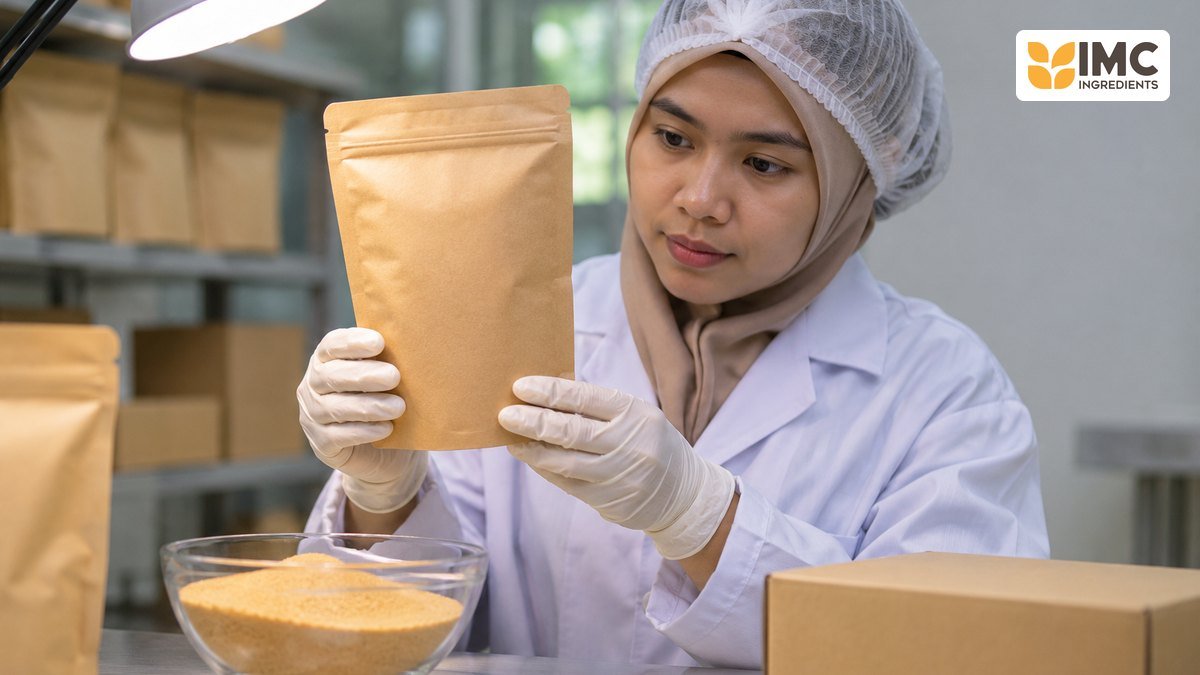
Quick answer: You can call a coconut sugar product organic only if the product and its handling are certified under the organic standard of the market where it is sold. Labels usually need the correct logo, the code of the control body and accurate ingredient wording. Products with only some organic ingredients have stricter limits on how organic can be shown.
Key takeaways – Only certified products may be labelled organic. – Each market has its own logo and rules. – Mixed products follow percentage rules. – Control body codes are usually required.
Who needs certification
Not only the coconut sugar producer but also companies that pack, process or label organic products usually need certification. A brand that repacks organic coconut sugar into retail bags must normally be certified for that activity.
Market examples
| Market | Typical label elements |
|---|---|
| European Union | EU organic logo, control body code, origin of ingredients |
| United States | USDA organic seal optional, certifier name |
| Other markets | National logos and rules |
Always check the latest rules for your market.
Single-ingredient products
A pack of pure organic coconut sugar can be labelled organic if it is certified and handled correctly. The ingredient list may simply say “organic coconut sugar”.
Multi-ingredient products
In many markets, a product can only be called organic on the front if most agricultural ingredients are organic. Products with a lower share may only mention organic ingredients in the ingredient list. Percentages and wording rules differ by market.
Common mistakes
- Using the organic logo without certification.
- Forgetting the control body code.
- Calling a product organic when only one ingredient is organic.
- Using old certificate data after it expires.
- Combining organic claims with health claims.
Using supplier documents
Keep the supplier’s organic certificate and transaction documents on file. Check that the certificate covers the product name and that it is valid at the time of purchase.
Online and marketing materials
Organic rules apply to websites, social media and marketing, not just packs. Make sure claims are consistent everywhere.
Getting expert help
Organic labelling rules are detailed and change from time to time. Many brands ask their control body or a regulatory consultant to review packs before printing. A short review costs less than reprinting packs or withdrawing products.
Where does IMC fit?
PT Integral Mulia Cipta (IMC Group) has produced coconut sugar in Central Java, Indonesia, since 2012. IMC supplies organic coconut sugar in mesh 14 and mesh 50 with documents that support buyers’ organic labelling.
FAQ
Can I repack organic coconut sugar and keep the claim? Usually only if your repacking is certified.
Do I need the control body code? In many markets, yes.
Can mixed products be called organic? Only if they meet the market’s percentage rules.
Can I combine organic and health claims? Avoid health claims; organic is about production.
Looking for a reliable coconut sugar partner? Contact PT Integral Mulia Cipta (IMC Group) in Central Java, Indonesia: info@organic-coconut-sugar.com or WhatsApp +62 821 1348 5564.