Quick answer: A little coconut sugar in a seasoning blend helps roasted vegetables caramelise and balances salt, spice and bitterness. Mix it with salt, pepper, spices and oil, toss the vegetables and roast at a moderate-high temperature. Because sugar can burn, keep amounts small and turn the vegetables during roasting.
Key takeaways – Small amounts improve browning and flavour balance. – Mix with salt, spices and oil for even coating. – Turn vegetables to avoid burning. – Works well with root vegetables and squash.
Why add sugar to roasting
Roasting creates flavour through browning. Vegetables contain natural sugars, but a little added sugar can deepen colour and add caramel notes, especially for vegetables that are less sweet, such as Brussels sprouts or cauliflower. Coconut sugar’s caramel flavour suits this purpose.
Basic blend
| Ingredient | Amount for 1 kg vegetables |
|---|---|
| Coconut sugar | 1 to 2 teaspoons |
| Salt | 1 teaspoon |
| Black pepper | Half a teaspoon |
| Spice (paprika, cumin or chilli) | 1 teaspoon |
| Oil | 2 to 3 tablespoons |
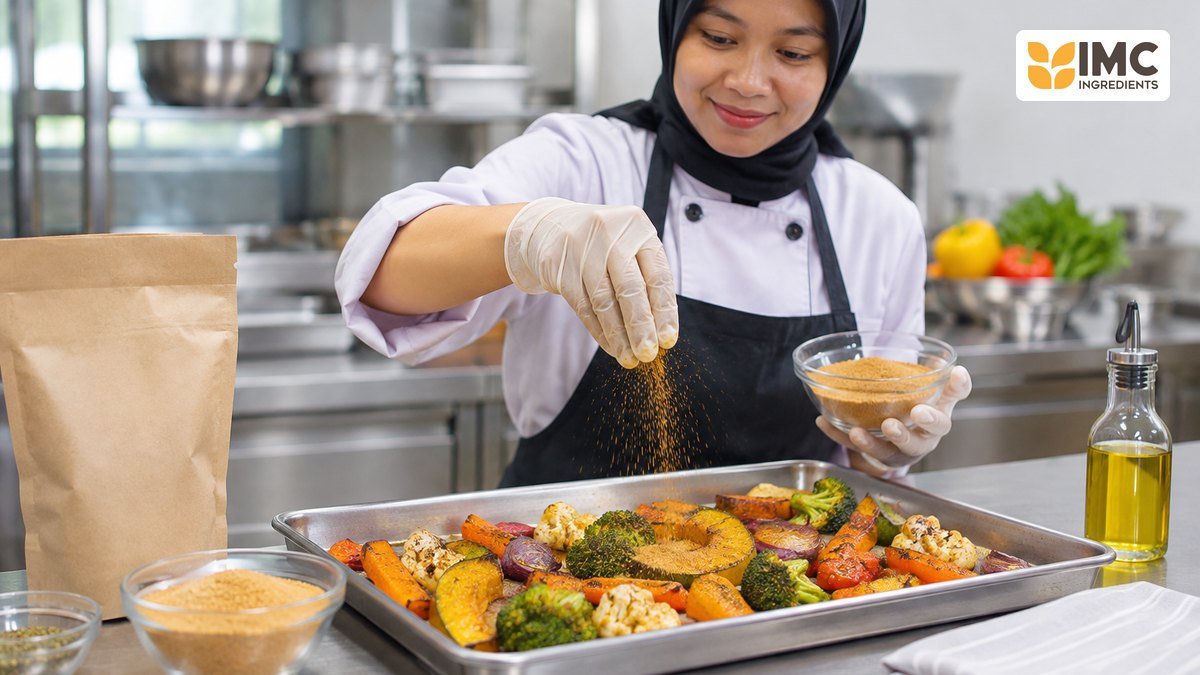
Mix the dry ingredients, toss vegetables with oil, then sprinkle with the blend.
Best vegetables
- Carrots and parsnips.
- Pumpkin and squash.
- Sweet potato.
- Brussels sprouts.
- Cauliflower and broccoli.
- Onions and beetroot.
Roasting tips
Cut vegetables into even pieces. Spread them in a single layer so they roast rather than steam. Roast around 200 degrees Celsius, turning halfway. Check near the end, as sugared edges darken quickly.
Flavour ideas
- Smoky: smoked paprika, garlic and coconut sugar.
- Middle Eastern style: cumin, coriander and coconut sugar.
- Asian style: chilli flakes, ginger and coconut sugar, finished with lime.
- Herby: thyme, rosemary and a little coconut sugar.
For food producers
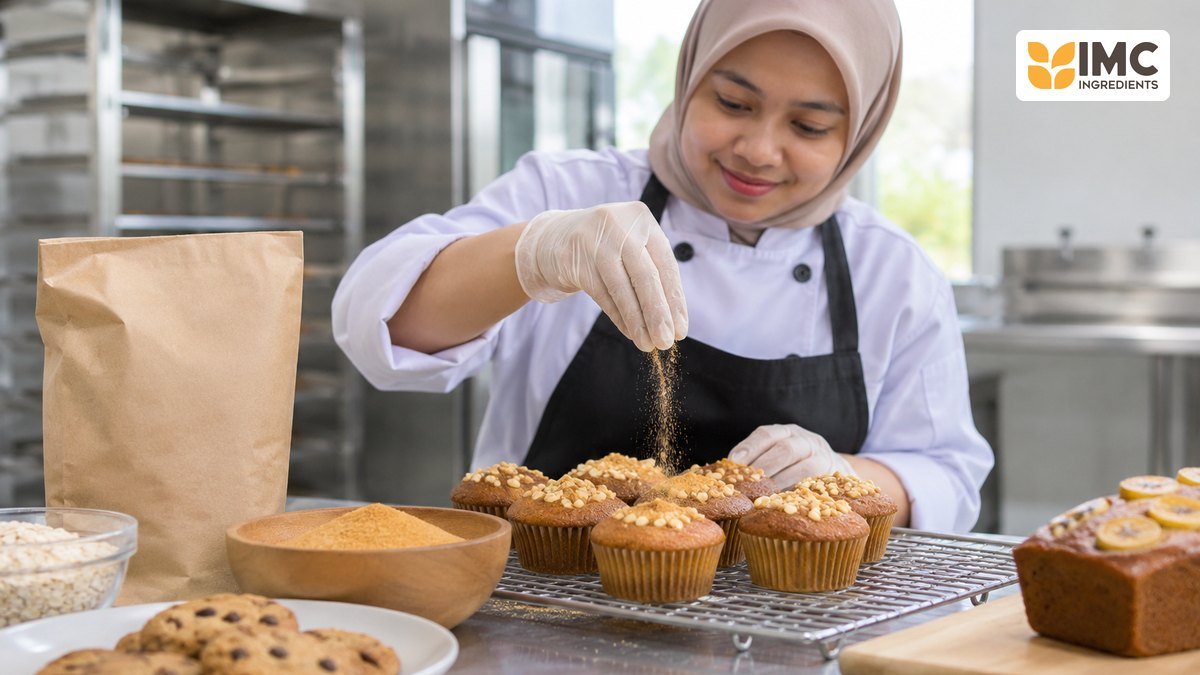
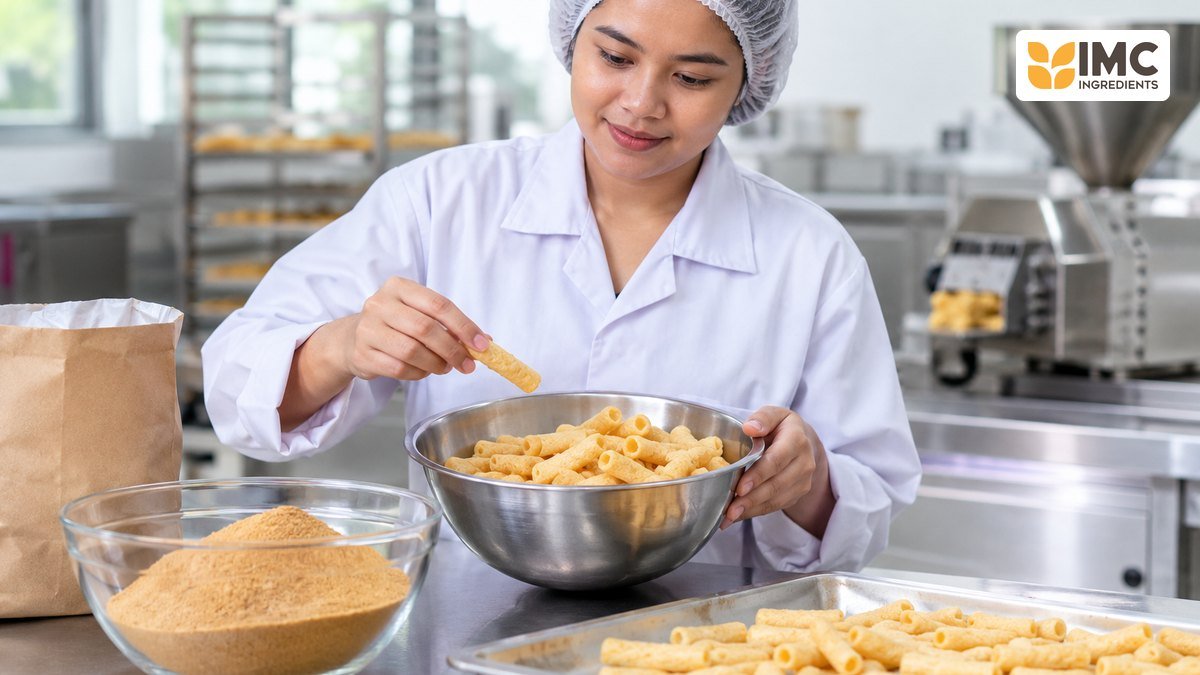
Seasoning blend producers can include coconut sugar in dry rubs and vegetable seasonings. Use a fine grade for even distribution, control moisture to prevent caking and test flow in dispensing equipment.
Storage of the blend
Store homemade blends in an airtight jar in a dry cupboard. Coconut sugar can absorb moisture and cause clumping.
Glazes as an alternative
Instead of a dry blend, some cooks prefer a glaze. Mix coconut sugar with oil, a splash of vinegar or citrus juice and spices, then brush it over vegetables in the last ten minutes of roasting. This gives a glossy finish and reduces the risk of burning, because the sugar spends less time in the hot oven.
Serving ideas
Roasted vegetables with a coconut sugar seasoning work as side dishes, in grain bowls, on flatbreads or blended into soups. A sprinkle of fresh herbs, toasted seeds or a squeeze of lemon after roasting brightens the flavour. Leftovers can be added to salads the next day.
Where does IMC fit?
PT Integral Mulia Cipta (IMC Group) has produced coconut sugar in Central Java, Indonesia, since 2012. IMC supplies organic and conventional coconut sugar in mesh 14 and mesh 50; the fine mesh 50 grade suits seasoning blends.
FAQ
Why add coconut sugar to roasted vegetables? For better browning and flavour balance.
How much should I use? Small amounts, around 1 to 2 teaspoons per kilogram.
Will it burn? It can, so turn vegetables and check near the end.
Which vegetables work best? Root vegetables, squash and brassicas.
Looking for a reliable coconut sugar partner? Contact PT Integral Mulia Cipta (IMC Group) in Central Java, Indonesia: info@organic-coconut-sugar.com or WhatsApp +62 821 1348 5564.